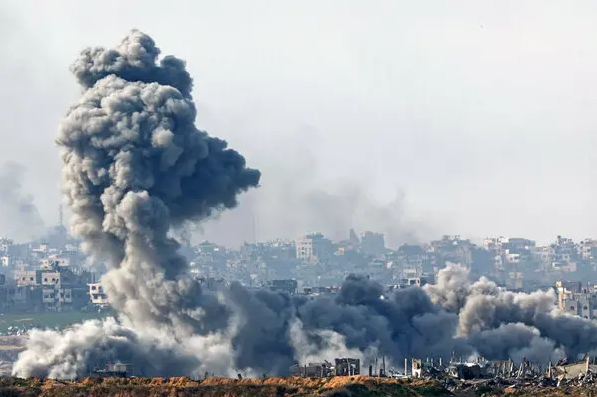
Ceasefire agreement reached between Israel and Gaza: a critical turning point

By: Dr. Avi Verma
In a significant breakthrough, Israel and Gaza’s ruling faction have agreed to a ceasefire following 15 months of devastating conflict. Mediated by Qatar and Egypt, the agreement is set to take effect on Sunday, initiating a phased plan to halt hostilities, exchange prisoners, and provide humanitarian aid to the war-torn region.
Key Details of the Ceasefire:
- Phased Implementation: The six-week ceasefire will begin with the release of 33 Israeli hostages, including women, children, and older men, in exchange for Palestinian detainees held by Israel.
- Humanitarian Focus: The deal emphasizes an immediate surge in humanitarian assistance, aiming to alleviate the dire shortages of food, water, and medical supplies in Gaza.
- Mediation Efforts: Qatar’s Prime Minister Sheikh Mohammed bin Abdulrahman Al Thani confirmed the agreement in a press conference, while Egyptian President Abdel Fattah El-Sisi welcomed the truce on social media.
Regional and International Reactions:
U.S. President Joe Biden lauded the ceasefire as a critical step toward easing regional tensions and reunifying hostages with their families. The United Nations and International Red Cross have pledged to scale up aid operations, while leaders from Turkey, Jordan, Germany, and the UAE expressed cautious optimism.
Challenges Ahead:
Despite the announcement, tensions remain high, with continued Israeli airstrikes reported in Gaza, killing at least 32 people on Wednesday evening. Palestinian civilians celebrated the ceasefire in the streets, though the enduring mistrust between the two sides casts uncertainty over the truce’s longevity.
Israeli Prime Minister’s coalition faces internal opposition to the deal, with hardliners expressing concerns about its terms. However, the security cabinet is expected to approve the agreement, signaling a potential shift in Israel’s strategy.
Broader Implications:
If successful, the ceasefire could mitigate escalating violence across the Middle East, including in Lebanon, Syria, and the Israeli-occupied West Bank. The agreement also highlights the crucial role of international diplomacy, as negotiators navigate the fragile path toward peace in a deeply divided region.
This truce marks a pivotal moment in a conflict that has left over 46,000 dead and millions displaced, with hopes pinned on its ability to pave the way for lasting stability.