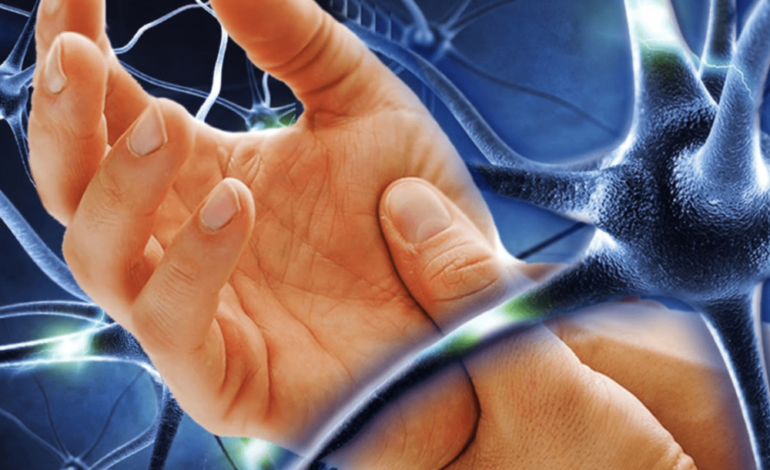
Breakthrough in nerve repair offers new hope, but caution still needed

By: Dr. Avi Verma
Scientists and engineers are making remarkable strides in the field of nerve regeneration—one of medicine’s most stubborn challenges. Traditional nerve injury treatments often fall short, leaving patients with long-term loss of sensation, chronic pain, or impaired motor function. But recent research in neural scaffolding and bioengineered materials is bringing new possibilities into focus for how damaged nerves might be encouraged to heal more effectively.
What Are Neural Scaffolds and Why They Matter
At the forefront of this work are biocompatible scaffolds—three-dimensional structures made from natural or synthetic polymers that act like a temporary support framework for injured nerve tissue. These scaffolds aim to guide regenerating nerve fibers (axons) toward their original pathways instead of allowing random or disorganized regrowth, which often limits functional recovery.
The idea isn’t just to stimulate nerve growth, but to support the body’s own healing processes. When a scaffold is placed at the site of injury, it can serve as a physical bridge that cells attach to and grow along. In many experimental models, these structures have been shown to promote alignment and directional growth of nerve cells, a critical factor in restoring communication between the nervous system and muscles or sensory organs.
Advances in Bioactive Materials and Scaffolds
Recent scientific advances have demonstrated that incorporating bioactive polymers or conductive materials into scaffold designs can further enhance nerve repair. These materials can release molecules that encourage nerve cell growth and even mimic electrical cues naturally present in neural tissue, helping regenerating fibers reconnect more effectively.
A promising development from ongoing research is the emergence of fully biodegradable and electrically conductive scaffolds. These are designed to gradually dissolve as the nerve heals, eliminating the need for removal surgery and reducing long-term complications. Studies in animal models show that such scaffolds can promote nerve regrowth and improve functional outcomes after peripheral nerve injuries.
Another related innovation from research institutions, including work stemming from Massachusetts Institute of Technology (MIT) engineering labs, involves strategies to improve the interface between bioelectronic devices and nerve tissue. Although not a complete cure, enhanced bioadhesive approaches may enable next-generation implants to function reliably without triggering fibrotic scar tissue that otherwise blocks healing.
What This Means for Patients
These breakthroughs signal a paradigm shift from managing nerve injury symptoms to actively promoting structural and functional repair. In the future, therapies combining scaffolds with biochemical signaling, electrical guidance, and even stem cell technologies could potentially help people recover sensation and movement once thought permanently lost.
However, it is important to note that most of this research is still at preclinical or early clinical stages. While animal experiments are encouraging, effective and FDA-approved human therapies are not yet widely available. Translation from laboratory findings to safe, practical clinical treatments involves rigorous testing, including controlled clinical trials and long-term safety evaluations.
Conclusion
Engineering nerve repair is no longer science fiction—biomaterials and scaffold technologies are rapidly advancing the field. As researchers continue to refine these tools, the possibility of helping patients with severe nerve injuries regain meaningful function is becoming increasingly real. But patients and caregivers should temper excitement with caution, recognizing that rigorous clinical validation is necessary before these innovations become standard care.
Disclaimer: This article is for informational purposes only and does not constitute medical advice. Always consult qualified healthcare professionals before considering any treatment.