India–US trade deal threatens farmers, says Punjab AAP

The Punjab unit of the Aam Aadmi Party (AAP) has sharply criticised the proposed India–US interim trade framework, describing it as an “anti-farmer, anti-national” deal that could severely damage Indian agriculture and livelihoods of millions of cultivators.
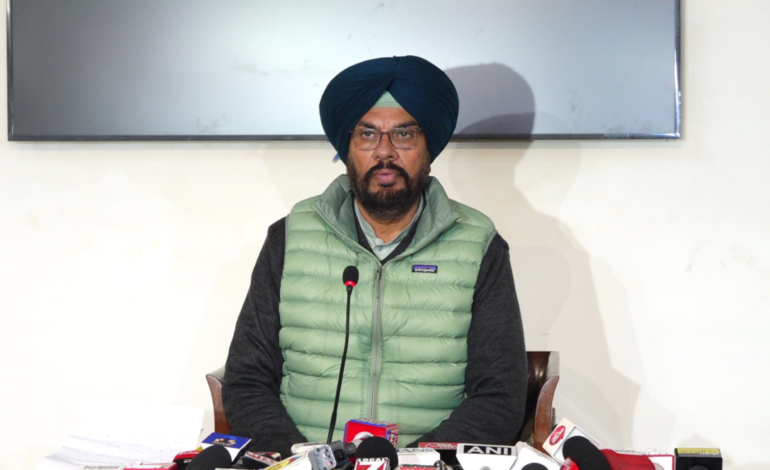
AAP spokesperson Kuldeep Dhaliwal said the agreement threatens small and marginal farmers by exposing them to competition from heavily subsidised American farm produce. He accused the BJP of misleading the public and claimed that Parliament was kept in the dark while the details of the deal emerged through statements by US President Donald Trump.
Dhaliwal rejected BJP leader Sunil Jakhar’s charge that AAP was silent on the issue, asserting that the party has been raising concerns since the day the deal was announced. He said repeated references to agriculture by Trump should be a warning sign for India’s farming community.
The AAP leader argued that India’s domestic farmers, who lack strong state support and assured Minimum Support Price (MSP) mechanisms for many crops, would be at a disadvantage against US agribusiness backed by large subsidies.
Citing the case of red sorghum, he said that while 75 per cent of global production comes from the US, in India it is grown by economically vulnerable farmers in drought-prone regions of Maharashtra without MSP protection. He warned that an influx of cheaper American grains could collapse markets for maize, bajra and other indigenous crops.
Dhaliwal also expressed concerns for cotton growers, apple farmers in Himachal Pradesh and Jammu & Kashmir, and nut producers fearing competition from US almonds and walnuts. He further questioned the impact on India’s dairy sector if US products gain wider market access.
He called on the Centre to review the deal in consultation with farmers’ organisations, state governments and agricultural experts, stressing that national food security and rural livelihoods must take precedence over geopolitical trade arrangements.