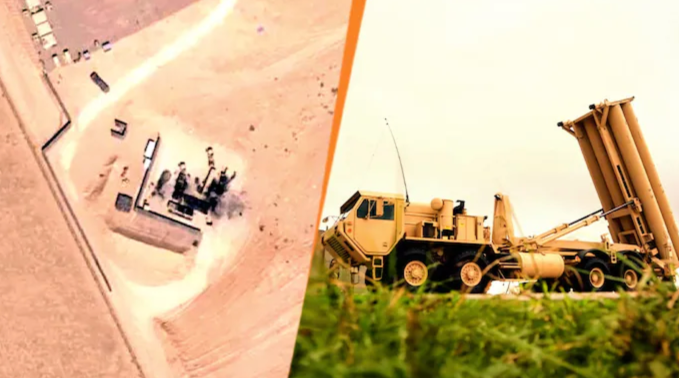
Iran destroys $300 million US THAAD radar in Jordan as Middle East conflict intensifies

The escalating conflict in the Middle East has taken a new turn after Iran reportedly destroyed a key U.S. missile defense radar system in Jordan, dealing a significant blow to Washington’s regional security infrastructure.
According to multiple reports citing U.S. officials, Iran targeted and destroyed an AN/TPY-2 radar system, a critical component of the Terminal High Altitude Area Defense (THAAD) missile defense network, at Muwaffaq Salti Air Base in Jordan. The radar, estimated to cost around $300 million, plays a crucial role in detecting and tracking ballistic missiles.
The strike occurred during the early phase of the ongoing conflict involving Iran, the United States, and Israel, which has now entered its second week. Analysts believe the radar system was hit around March 1 or March 2, shortly after the war began on February 28 following coordinated U.S. and Israeli strikes on Iranian targets.
Satellite images reviewed by analysts showed significant damage to the radar installation, including large craters near the site, suggesting that multiple projectiles were used in the attack. The radar and its supporting equipment were either destroyed or severely damaged, effectively taking the system offline.
The AN/TPY-2 radar is a central component of the THAAD missile defense system, which is designed to intercept ballistic missiles in the final stage of their trajectory. By detecting and tracking incoming threats at long distances, the radar helps guide interceptor missiles that destroy targets high in the atmosphere before they can reach populated areas or military installations.
The destruction of the radar could complicate U.S. defensive capabilities in the region. With the THAAD radar at Muwaffaq Salti now out of service, the responsibility for missile interception may shift more heavily to Patriot air defense systems, which are typically used to counter shorter-range missile threats.
The United States currently operates eight THAAD batteries worldwide, including deployments in South Korea and Guam. Each battery costs approximately $1 billion and includes radar systems, interceptor missiles, mobile launchers, and command units.
Muwaffaq Salti Air Base has long served as a major operational hub for U.S. military activities in the Middle East. Prior to the conflict, satellite imagery showed more than 50 aircraft, including fighter jets, drones, and transport planes stationed at the facility.
Earlier in the conflict, another U.S. radar installation in Qatar was also reported damaged during Iranian strikes, raising concerns about the vulnerability of American missile defense infrastructure across the region.
The latest strike underscores the widening scope of the conflict and highlights the growing risks to military assets as the regional war continues to escalate.