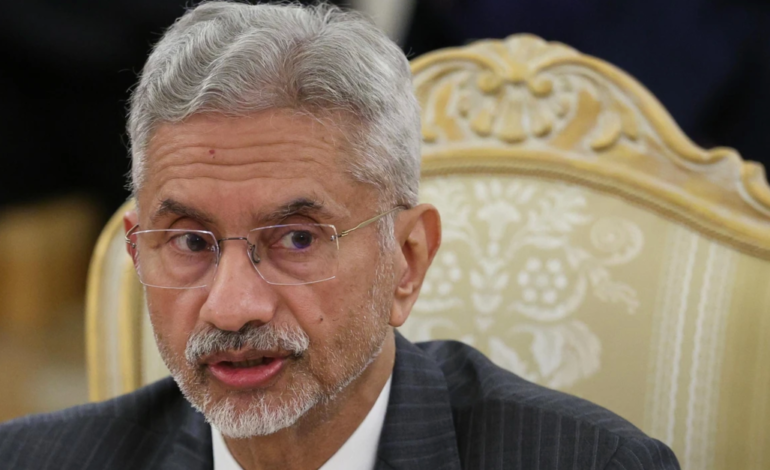
Jaishankar speaks with UAE FM as Iran strikes escalate, India pushes for West Asia stability

India has intensified its diplomatic outreach as tensions escalate across West Asia, with External Affairs Minister S Jaishankar engaging key regional partners to prevent further deterioration of the security situation. In a significant move, Jaishankar held talks with Abdullah bin Zayed Al Nahyan, the Foreign Minister of the United Arab Emirates, to review the rapidly evolving crisis triggered by Iran’s missile and drone activity.
The conversation comes at a time when the United Arab Emirates has itself faced multiple aerial threats, underscoring the widening scope of the conflict. The Gulf region, a vital hub for global energy and trade, is increasingly at risk as hostilities intensify between Iran and its adversaries.
Also See: World’s biggest gas hub in Qatar attacked by Iran, global energy markets shaken
For India, the situation carries serious implications that go far beyond regional geopolitics. The country’s energy security is closely tied to the Gulf, from where it sources a significant portion of its oil and gas imports. In addition, the safety of key maritime trade routes, particularly through the strategically crucial Strait of Hormuz, remains a top priority for New Delhi.
India has moved swiftly to safeguard its interests. Through direct diplomatic engagement, it has secured assurances for the safe passage of Indian vessels navigating the Strait of Hormuz, a critical artery for global energy shipments. This proactive approach highlights India’s ability to maintain strategic balance while engaging multiple stakeholders in a complex geopolitical environment.
At the same time, New Delhi continues to maintain open channels of communication with all sides, including Iran, while strengthening its longstanding partnerships with Gulf nations such as the UAE. This balanced diplomacy reflects India’s broader objective of promoting stability and preventing further escalation in a region that is vital to its economic and strategic interests.
As the crisis deepens, India has consistently emphasized the need for restraint and dialogue. Officials have reiterated that de-escalation must remain the priority to avoid a wider conflict that could disrupt global markets and endanger millions.
With tensions showing little sign of easing, India’s diplomatic efforts signal a clear message: sustained engagement, dialogue, and cooperation are essential to restoring stability in West Asia before the situation spirals further out of control.
Also See: Japan, Australia reject Trump call to send naval ships to secure Strait of Hormuz