Iran proposes ceasefire with reparations demand, asserts control over Strait of Hormuz

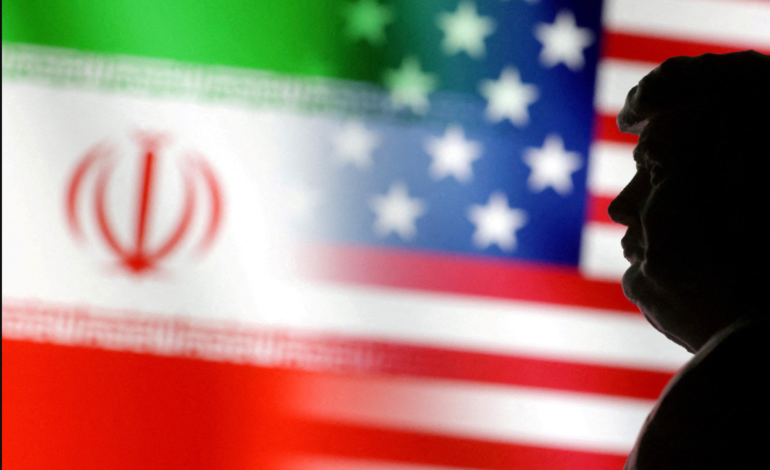
Iran has put forward its own ceasefire proposal in response to a U.S.-backed plan, demanding war reparations and asserting sovereignty over the strategic Strait of Hormuz, even as hostilities continue across the region.
According to officials in Islamabad, Tehran received a 15-point ceasefire framework from Washington through intermediaries in Pakistan. The diplomatic outreach comes amid heightened military mobilization, with the United States deploying additional forces to West Asia to reinforce its presence.
Despite the backchannel efforts, Iran’s military signaled defiance, launching fresh strikes on Israel and targets across the Persian Gulf region on Wednesday. One of the attacks triggered a massive fire at Kuwait International Airport, sending thick black smoke into the sky and raising concerns about the widening scope of the conflict.
Meanwhile, Israel intensified its operations, announcing strikes on key Iranian military infrastructure in Tehran. The Israeli military said its air force targeted naval cruise missile production facilities linked to Iran’s Ministry of Defence, describing them as critical to the development of long-range strike capabilities.
The escalation extended beyond Iran, with Israeli strikes reported in southern Lebanon. According to Lebanese state media, multiple attacks in the Sidon region, including in the town of Adloun and the Mieh Mieh refugee camp, left several people dead and others injured.
The ceasefire proposal from Tehran underscores its key demands: financial compensation for war damages and recognition of its authority over the Strait of Hormuz, one of the world’s most critical oil transit chokepoints. Control over the strait has emerged as a central issue in the conflict, given its role in global energy supply chains.
Backchannel diplomacy between Washington and Tehran continues, even as both sides maintain military pressure. U.S. President Donald Trump has indicated that negotiations are ongoing, though conflicting signals from both sides have added to uncertainty.
The situation remains fluid, with global markets closely watching developments. Any prolonged disruption in the Strait of Hormuz could trigger a major energy crisis, as a significant share of the world’s oil shipments pass through the narrow waterway.
As diplomatic and military tracks unfold simultaneously, the prospects for de-escalation remain uncertain, with both sides holding firm to their strategic demands.