India among select nations allowed passage through Strait of Hormuz amid tensions

Iran has allowed India and a group of “friendly nations” to continue commercial shipping through the strategically vital Strait of Hormuz, even as tensions in the region disrupt global energy markets.
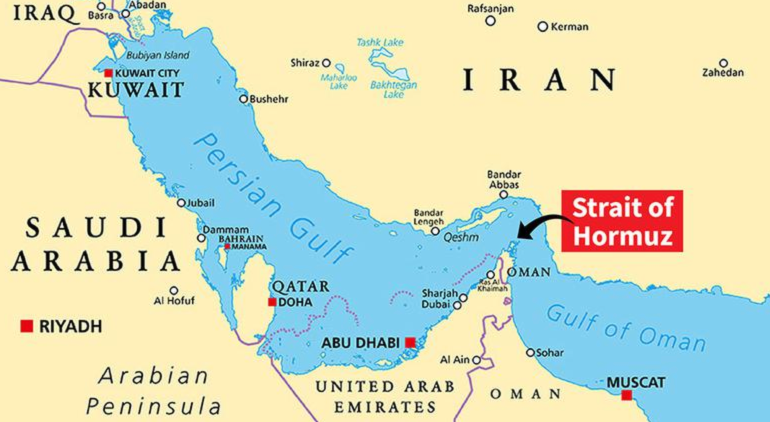
According to Iranian Foreign Minister Seyed Abbas Araghchi, countries including India, China, and Russia have been granted passage through the narrow waterway, which connects the Persian Gulf with the Gulf of Oman. The move comes amid escalating geopolitical tensions that have effectively restricted broader access to the route.
The Strait of Hormuz is one of the world’s most critical energy chokepoints, handling nearly 20% of global oil and liquefied natural gas (LNG) shipments. Any disruption in this corridor has immediate ripple effects on international energy prices and supply chains.
In recent days, global oil and gas prices have surged sharply following reports that Iran has virtually blocked the passage for several countries, raising concerns over potential shortages and increased transportation costs. The selective allowance for certain nations highlights Tehran’s strategic leverage over global energy flows during times of conflict.
Also See: India, China see major visa drop as Trump tightens US policies: Report
India’s inclusion in the list of permitted countries is significant, given its heavy dependence on energy imports and longstanding ties with Iran. Continued access to the Strait ensures that Indian oil shipments remain relatively stable despite the broader disruptions affecting global trade.
The development also reflects shifting geopolitical alignments, with Iran favoring nations it considers friendly while exerting pressure on others. Analysts believe this selective access could further complicate diplomatic efforts to de-escalate tensions in the region.
Meanwhile, international stakeholders are closely monitoring the situation, as prolonged disruptions could have far-reaching consequences for global inflation, energy security, and maritime trade. The Strait’s vulnerability has once again underscored the fragility of global supply chains in times of geopolitical conflict.
As tensions persist, the future of one of the world’s busiest maritime corridors remains uncertain, with implications not just for regional stability but for the global economy at large.