Trump says “Cuba is next” after US actions in Venezuela and Iran

US President Donald Trump has sparked fresh global concern after declaring that “Cuba is next,” following recent American military actions in Venezuela and ongoing strikes in Iran.
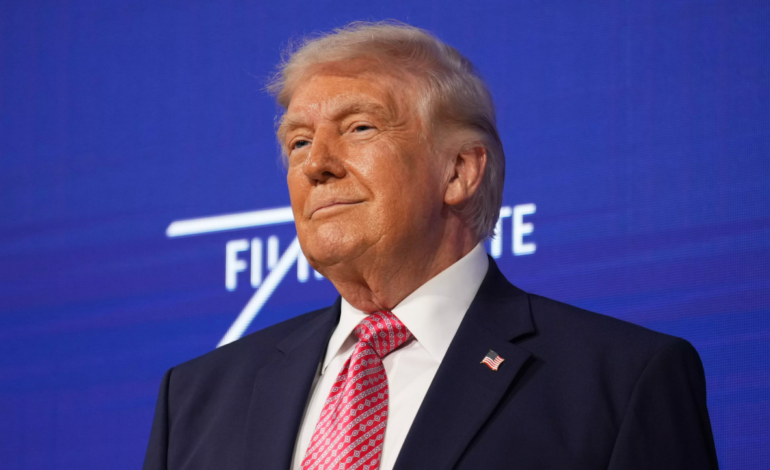
Speaking at an investment forum in Miami on March 27, Trump made the remark while discussing his administration’s foreign policy moves. He briefly tried to downplay the statement, asking the media to ignore it, but then repeated it again—underscoring its significance.
The comments come amid a dramatic escalation in US interventions abroad. Earlier this year, American forces carried out a controversial operation in Venezuela that resulted in the removal of President Nicolás Maduro. Soon after, Washington intensified joint military operations with Israel targeting Iran, further heightening geopolitical tensions.
Against this backdrop, Trump’s reference to Cuba signals a possible expansion of US strategic focus in the Western Hemisphere. However, he did not outline any specific plan—military or otherwise—regarding the island nation.
Cuba is currently grappling with a deep economic and humanitarian crisis, worsened by fuel shortages and long-standing US sanctions. The situation has deteriorated further after disruptions in oil supplies—particularly following developments in Venezuela, which had been a key energy partner for Havana.
Despite the aggressive rhetoric, there are indications that diplomatic channels remain open. Cuban President Miguel Díaz-Canel has acknowledged ongoing discussions with Washington, suggesting efforts are underway to avoid direct confrontation.
Trump has repeatedly hinted in recent weeks that Cuba could see major political change, even suggesting at one point that the country might “fall pretty soon.” His administration has also explored strategies ranging from economic pressure to potential negotiated transition.
In the same speech, Trump sharply criticized NATO, calling the alliance a “paper tiger” and questioning whether the United States should continue defending allies that, in his view, failed to support Washington during key conflicts. He argued that America should reconsider its commitments if allies do not reciprocate support.
The remarks have added to growing uncertainty over US foreign policy direction, particularly as conflicts in multiple regions continue simultaneously. Trump’s latest statement, though lacking specifics, is likely to intensify scrutiny over Washington’s intentions toward Cuba and the broader geopolitical implications.