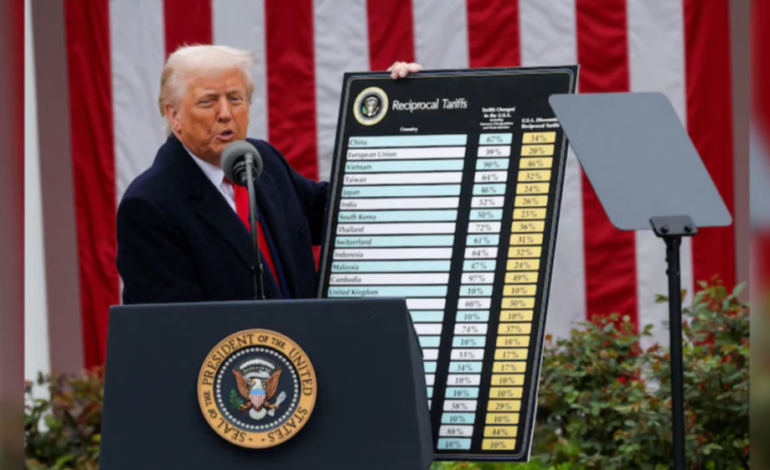
Trump imposes 50 per cent tariffs on steel, aluminium and copper imports

U.S. President Donald Trump has signed a sweeping proclamation imposing steep tariffs on imports of steel, aluminium, and copper, marking a significant escalation in trade controls under the banner of national security.
The new order mandates that tariffs be calculated on the “full customs value” of imported metal products and their derivatives, effectively closing loopholes that previously allowed importers to reduce duty payments through undervaluation.
The move builds on earlier Section 232 measures, under which the United States determined that rising imports of critical metals posed a threat to national security. Under the revised framework, most primary steel and aluminium imports will now face a 50 percent ad valorem tariff, while certain derivative products will be subject to a 25 percent duty.
Administration officials said the updated methodology ensures duties are applied based on actual transaction values rather than artificially lowered prices. “We are going to charge 50 percent of the full value of the steel paid by U.S. customers,” a senior official said, adding that the changes are designed to eliminate pricing distortions used by exporters to bypass tariffs.
The new policy also introduces a simplified classification system for derivative products. Items containing minimal metal content will be exempt, while those with significant steel, aluminium, or copper components will face a flat 25 percent tariff. Officials believe this approach will streamline compliance while strengthening enforcement mechanisms.
According to the administration, domestic production capacity has shown improvement since the initial tariffs were introduced. Aluminium capacity utilisation has risen to approximately 50.4 percent, while steel has reached about 77.2 percent. However, officials argue that further tightening is necessary to push utilisation closer to the targeted 80 percent threshold and to prevent circumvention through derivative imports.
Also See: Personal finance insights: news & features
In addition, the proclamation authorises authorities to expand the list of tariff-covered products on a rolling basis if imports are found to undermine national security goals.
Despite concerns over potential price increases, officials downplayed the impact on consumers. They argued that the measures primarily affect trade structures rather than retail pricing and are unlikely to significantly influence affordability.
The tariffs are set to take effect on April 6, applying to all relevant imports entering the U.S. market from that date.
The decision is expected to have wide-ranging implications for global trade, potentially triggering responses from key trading partners and adding pressure to already strained international economic relations.
Also See: Trump urges allies to buy US oil or source it from Strait of Hormuz amid Iran war