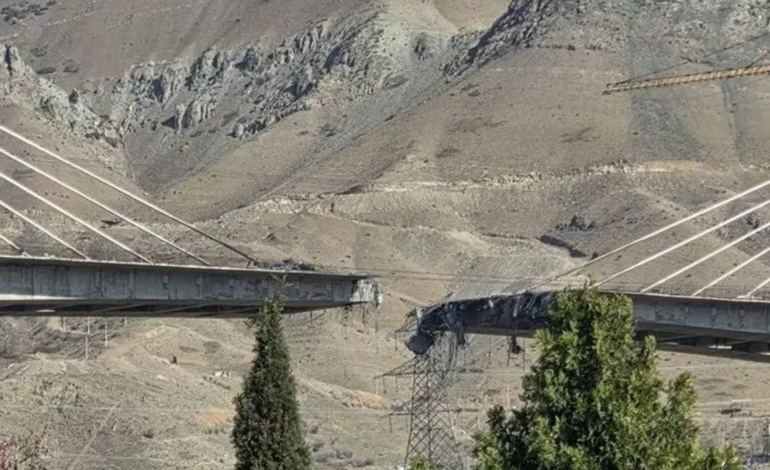
Iran warns of retaliatory strikes after a reported US attack on a key Tehran-Karaj bridge

Tensions between the United States and Iran escalated further after reports that American forces destroyed a major highway bridge in Iran, prompting Tehran to issue warnings of potential retaliatory strikes across the region.
According to Iranian and regional media reports, the targeted structure was the B1 highway bridge, a key link connecting Tehran to the western city of Karaj. The strike, which reportedly took place on Thursday, is said to have caused casualties, with at least two people reported killed.
In response, Iran has signaled possible retaliation by identifying a list of major bridges across the Gulf region and parts of the Middle East that could be targeted. The warning was amplified by Iran’s semi-official Fars News Agency, which suggested that strategic infrastructure in Gulf nations and Jordan could be within reach of Iranian military action.
While no official confirmation has been issued regarding specific targets or timelines, the messaging underscores a significant escalation in rhetoric and signals a potential widening of the conflict beyond direct U.S.-Iran engagement.
Also See: Trump imposes 50 per cent tariffs on steel, aluminium and copper imports
Analysts view the threat as part of a broader strategy of deterrence, aimed at raising the stakes for any continued military operations against Iranian infrastructure. By highlighting critical transit points such as bridges, Iran appears to be emphasizing its ability to disrupt regional connectivity and economic activity.
The reported strike on the Tehran–Karaj bridge marks a notable shift, as infrastructure deep within Iranian territory is rarely targeted in such conflicts. If confirmed, it could represent a new phase in hostilities, potentially inviting reciprocal actions.
The situation remains fluid, with limited independent verification available regarding both the scale of damage and the specifics of Iran’s retaliatory plans. Observers caution that information from both sides may be shaped by strategic communication objectives as much as operational realities.
The broader implications are significant. Key infrastructure across the Gulf region plays a vital role in trade, transportation, and energy logistics. Any disruption could have cascading effects on regional stability and global markets.
As the standoff intensifies, diplomatic options appear increasingly strained, raising concerns among international stakeholders about the risk of further escalation.
Also See: Trump links Hormuz crisis to oil opportunity as shipping cautiously resumes