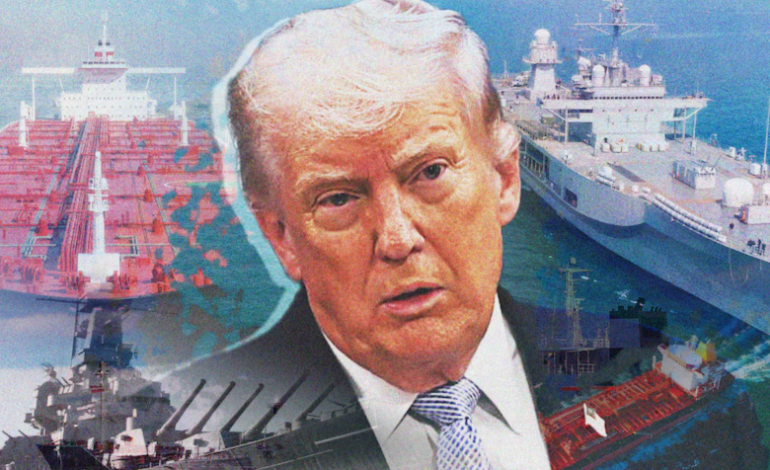
Iran warns of Red Sea blockade as US tightens Hormuz pressure

Iran has escalated its rhetoric against the United States, warning it could expand its response beyond the Strait of Hormuz to include key maritime routes such as the Red Sea, raising concerns of a broader disruption to global trade.
Iranian officials said that continued US naval actions restricting Iranian oil shipments could trigger retaliatory measures, including blocking access to major international shipping lanes. The warning comes amid reports that US forces have effectively halted maritime trade to and from Iran, forcing several vessels to reroute or turn back.
Tehran described the US actions as a violation of the fragile ceasefire currently in place, cautioning that further escalation could push the region toward a wider conflict. Officials stressed that any attempt to choke Iran’s oil exports would not go unanswered.
The Strait of Hormuz, through which nearly a fifth of global oil supplies pass, has already been at the center of the standoff. However, the inclusion of the Red Sea in Iran’s warning signals a potential expansion of the conflict into another critical trade artery linking Europe, Asia, and Africa.
Analysts warn that such a move could have severe consequences for global supply chains. The Red Sea is a vital route for container shipping and energy transport via the Suez Canal. Any disruption could lead to delays, increased shipping costs, and renewed inflationary pressures worldwide.
The US, under President Donald Trump, has defended its actions as necessary to counter Iran’s activities and prevent it from leveraging energy routes for geopolitical pressure. Washington has also signaled that it will continue enforcing restrictions until Tehran agrees to broader terms in negotiations, including limits on its nuclear programme.
The latest exchange underscores the growing risk of a multi-front maritime crisis. With tensions already high in the Persian Gulf, an expansion into the Red Sea would significantly widen the conflict’s geographic scope.
Global markets are closely monitoring the situation, particularly the impact on oil prices and shipping routes. Any sustained disruption across these critical waterways could trigger a new phase of economic instability.
As both sides harden their positions, the possibility of miscalculation increases, leaving the region—and the global economy—on edge.