Netanyahu warns of possible Iran war resumption as US pushes for fresh talks

Israeli Prime Minister Benjamin Netanyahu has said Israel is prepared for a possible resumption of war with Iran, even as the United States signals optimism about a new round of diplomatic talks aimed at de-escalating the crisis.
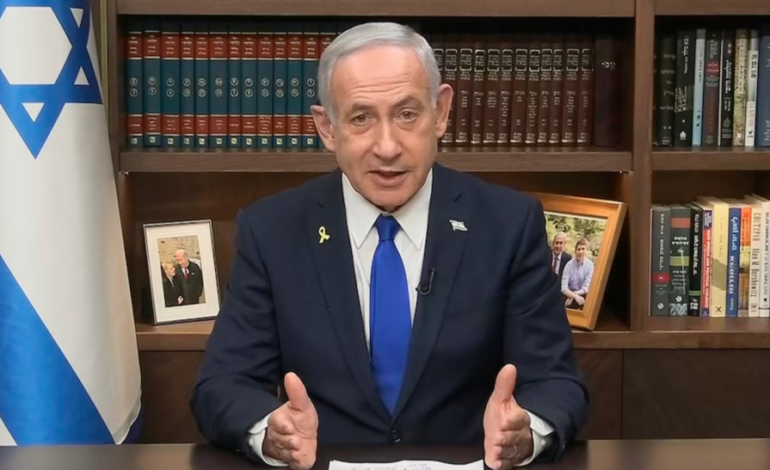
In a video statement, Netanyahu emphasized that Israel remains ready for “any scenario,” noting that while negotiations are ongoing, the situation remains uncertain. He reiterated Israel’s core demands, including the removal of Iran’s enriched uranium and the dismantling of its nuclear capabilities.
Meanwhile, the administration of Donald Trump is working toward organizing a second round of talks with Tehran, likely to be held in Islamabad. White House officials expressed confidence that a deal remains possible despite the collapse of earlier negotiations.
US Vice President J. D. Vance described the proposal offered to Iran as a potential “grand bargain” that could end weeks of conflict and address long-standing disputes over Tehran’s nuclear programme.
Adding to diplomatic efforts, a delegation from Pakistan led by Army Chief Asim Munir has arrived in Tehran to facilitate communication and lay the groundwork for renewed talks. Pakistan has emerged as a key intermediary, maintaining channels between Washington and Tehran.
Despite these efforts, tensions remain high. The US has intensified pressure through a naval blockade targeting Iranian ports, particularly around the Strait of Hormuz, a critical route for global energy supplies. US officials claim that no vessels have successfully breached the blockade so far.
Iran, however, has warned of serious consequences if the blockade continues, including the potential disruption of shipping across the Persian Gulf, the Gulf of Oman, and even the Red Sea. Iranian officials insist that any agreement must respect their right to uranium enrichment, though they have shown limited flexibility on its scope.
The stalled negotiations have largely centered on three contentious issues: Iran’s nuclear programme, the reopening of key maritime routes, and compensation for wartime damages. While there are indications of a possible temporary extension of the ceasefire, no formal agreement has been reached.
Global economic concerns are also mounting. International bodies have warned that prolonged conflict could drive up oil prices, fuel inflation, and strain global supply chains.
As diplomacy continues alongside military posturing, the region remains on edge. The coming days are likely to be critical in determining whether negotiations can prevent a renewed escalation or if the conflict will enter a more dangerous phase.