AAHOACON26 draws 5,000+, signals industry shift amid challenges and innovation

By: Vandana Jhingan
The AAHOACON26 brought the U.S. hospitality industry into sharp focus this past week, as more than 5,000 hotel owners, operators, and vendors convened in Philadelphia from April 8–11. Organized by the Asian American Hotel Owners Association, the annual gathering once again underscored its influence as a key platform shaping the future of hotel ownership across the country.
This year’s convention unfolded at a critical juncture. Facing persistent economic uncertainty, rising operational costs, and rapid technological disruption, attendees arrived seeking direction and left with a clearer sense of strategy. The conference delivered a robust blend of education, advocacy, and business opportunity.
From the outset, industry leaders stressed a central theme: adaptation is no longer optional. In keynote sessions and panel discussions, AAHOA leadership called on members to rethink traditional models and embrace innovation. Conversations tackled pressing concerns including labor shortages, insurance pressures, and the growing integration of automation in hotel operations.
Prominent voices, including Paul Brown, Rahul Kapoor, and Dr. Sudhir Mehta, emphasized that independent hotel owners who form the backbone of AAHOA remain agile but increasingly burdened by market pressures. Their insights resonated strongly, particularly among first- and second-generation hoteliers navigating an evolving landscape.
Special sessions highlighted emerging leadership within the industry. Young professionals explored investment-focused strategies, while the “Her Ownership” forum drew strong participation. Led by Shira Miller, the session encouraged women entrepreneurs to step forward with confidence, take ownership of their achievements, and assert their presence in leadership spaces.
On the trade show floor, technology took center stage. Exhibitors showcased innovations ranging from AI-powered revenue management systems to contactless guest services and energy-efficient solutions. Vendors noted a rising demand for tools that streamline operations while delivering measurable cost savings an increasingly critical priority as margins tighten.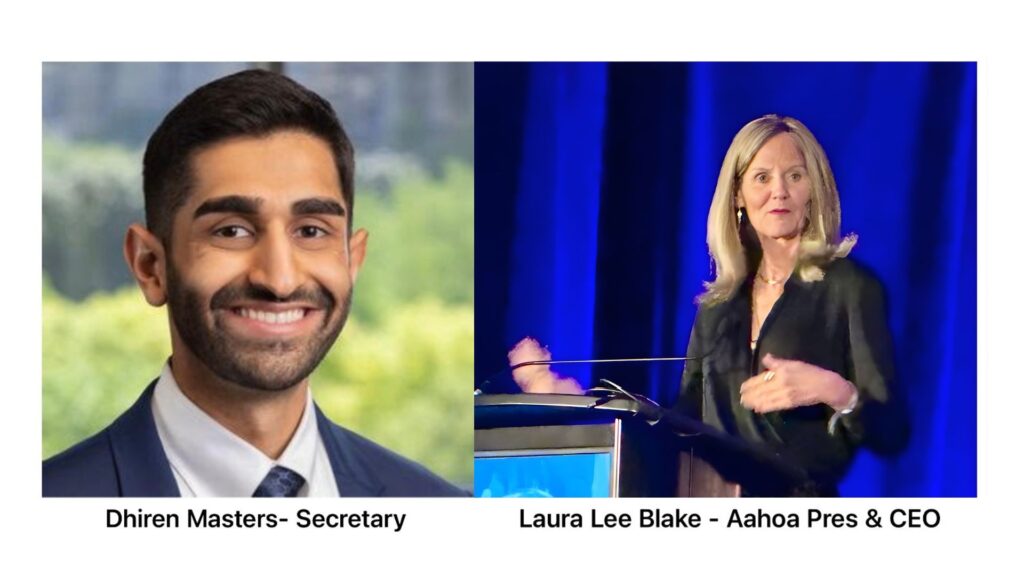
The convention also served as a platform for policy engagement. Discussions addressed legislative and regulatory challenges impacting hotel owners nationwide, including access to financing, franchise dynamics, and local compliance issues. Interactive workshops and roundtables enabled direct dialogue between members and industry experts, reinforcing AAHOA’s dual role as both advocate and resource hub.
Recognition of excellence remained a key highlight. Several members were honored for their leadership, service, and resilience. “Each of this year’s award recipients has helped move our industry forward,” said Laura Lee Blake.
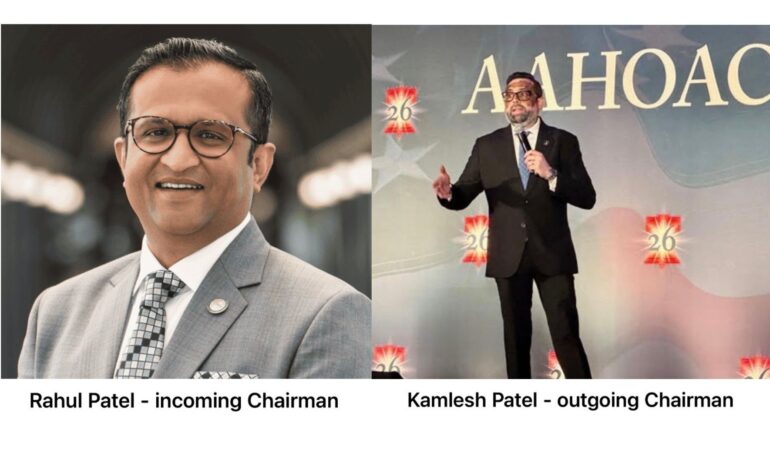
Leadership transitions were also announced, with Rahul Patel introduced as the incoming Chairman and Dhiren Amin named Secretary.
Beyond formal programming, networking remained at the heart of the convention. From informal gatherings to structured meetups, attendees highlighted the value of connecting with peers confronting similar challenges. For many, AAHOACON continues to serve as both a business forum and a community anchor within a diverse, entrepreneurial membership.
As the convention concluded, the mood was one of cautious optimism. While uncertainties persist, the energy in Philadelphia reflected an industry that is not just enduring disruption but actively evolving to meet it.
For AAHOA members and the broader hospitality sector, the message was unmistakable: the road ahead will demand agility, collaboration, and a willingness to embrace change.