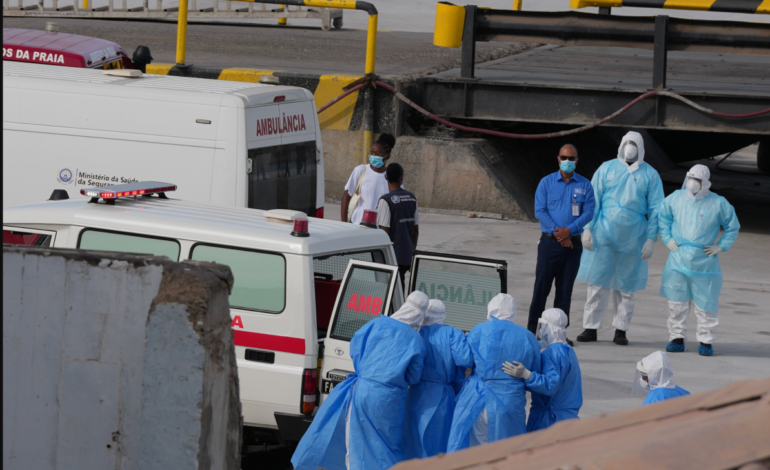
Hazmat teams evacuate suspected hantavirus patients from MV Hondius cruise ship amid WHO response

Medical teams wearing full hazmat gear evacuated suspected hantavirus patients from the Dutch-flagged cruise ship MV Hondius as international health authorities intensified efforts to contain a rare outbreak linked to the Andes strain of the virus.
The World Health Organization (WHO) said the outbreak has been associated with at least three deaths and several confirmed or suspected infections among passengers and crew aboard the expedition vessel, which was carrying around 150 people. Images circulating online showed health workers in respirators, protective gowns, gloves, and face shields escorting stretcher-bound patients into specialized medical aircraft near Amsterdam and Cape Verde.
The Andes strain, found mainly in parts of Argentina and Chile, is the only known hantavirus strain capable of limited person-to-person transmission through close contact. Health authorities said the exact transmission chain aboard the ship remains under investigation, prompting strict infection-control measures during evacuations and onboard medical assessments.
According to reports, three individuals, including the ship’s doctor and two crew members, were removed from the vessel after developing severe symptoms. Two patients reportedly required urgent treatment and were transferred to specialist hospitals in Europe using medically equipped aircraft.
Passengers remaining aboard the MV Hondius were confined to their cabins while medical teams evaluated symptomatic individuals and monitored close contacts. Spain agreed to receive the ship in the Canary Islands after WHO and European authorities requested assistance, citing the region’s ability to safely isolate and process passengers.
Public health agencies in several countries, including South Africa, Switzerland, the Netherlands, and the United States, are also tracking travelers who may have had contact with infected passengers earlier in the voyage.
Experts say cruise ships present unique outbreak challenges because of shared dining areas, enclosed spaces, and prolonged close interaction among passengers. WHO investigators believe the virus may have been introduced by a traveler infected before boarding the ship in Ushuaia, Argentina, where the Andes strain is known to circulate.
Argentina has launched rodent surveillance, contact tracing, and genomic analysis to determine whether infections resulted from environmental exposure or onboard human transmission. Health officials emphasized that the use of hazmat suits and enhanced protective equipment is precautionary and does not indicate widespread airborne transmission.
WHO continues to classify the broader public health risk as low, noting that hantavirus spreads far less easily than illnesses such as influenza or Covid-19. However, the incident has become one of the most closely watched infectious disease responses of 2026 and is expected to shape future outbreak management protocols for cruise ships and international medical evacuations.