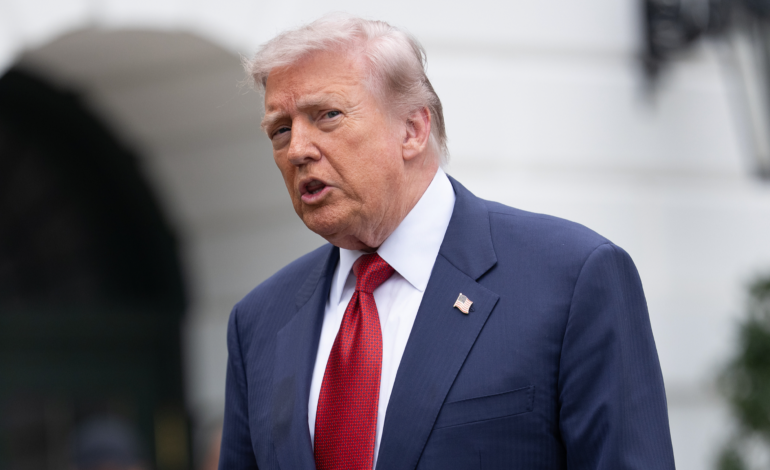
Trump rejects Iran’s response to US peace proposal as Gulf tensions escalate

US President Donald Trump sharply rejected Iran’s response to a new American proposal aimed at ending the escalating Gulf conflict, intensifying tensions as military confrontations continued around the strategically vital Strait of Hormuz.
In a strongly worded message posted on Truth Social, Trump criticized Tehran’s position after reviewing the latest diplomatic response transmitted through mediators.
“I have just read the response from Iran’s so-called ‘Representatives.’ I don’t like it — TOTALLY UNACCEPTABLE! Thank you for your attention to this matter,” Trump wrote.
The remarks came shortly after Iran submitted its reply to a US-backed peace framework intended to stabilize the region following weeks of military escalation, maritime disruptions, and attacks involving naval forces and commercial vessels.
Pakistani Prime Minister Shehbaz Sharif confirmed that Tehran had conveyed a response through Pakistani mediation channels but declined to reveal specific details of the discussions.
Iranian state media reported that Tehran’s response focused primarily on ending hostilities across the region. Other reports suggested Iran demanded an official declaration ending the conflict, reopening of the Strait of Hormuz to unrestricted shipping, withdrawal of American naval forces enforcing the blockade, lifting of sanctions, and an additional 30 days of negotiations.
Iran also reportedly proposed that discussions concerning its nuclear programme should be separated from broader regional security negotiations in future talks.
Trump later accused Iran of “playing games with the United States,” warning that Tehran would soon face consequences for its actions.
The diplomatic tensions unfolded alongside continuing military confrontations in the Gulf region. According to reports, Iran launched attacks against three US naval destroyers after accusing them of entering waters claimed by Tehran. Iranian authorities claimed ballistic missiles, cruise missiles, and drones caused “serious damage” to the vessels.
However, the United States denied the claims, stating that the destroyers departed the area without sustaining damage.
The confrontation followed earlier US strikes targeting Iranian-flagged oil tankers near the Gulf of Oman, which Washington accused of attempting to breach a naval blockade. American forces later carried out additional strikes near Qeshm Island and Bandar Abbas along Iran’s southern coastline.
Regional instability also widened over the weekend after Qatar reported that a commercial cargo vessel travelling from Abu Dhabi was struck by a drone near Doha, triggering a small onboard fire.
Diplomatic efforts to contain the crisis continue. US Secretary of State Marco Rubio and White House Middle East envoy Steve Witkoff met Qatari Prime Minister Mohammed bin Abdulrahman Al Thani to discuss mediation efforts and regional de-escalation strategies.
According to Qatari officials, the discussions included Pakistan’s role in facilitating negotiations aimed at reducing military escalation and restoring stability in the Gulf.
Meanwhile, US Ambassador to the United Nations Mike Waltz said ongoing negotiations were progressing slowly because Iran’s leadership structure had become “devastated and fractured” amid the continuing crisis.
Waltz also indicated that Washington is pushing for a new United Nations resolution addressing threats to international waterways and maritime security in the Strait of Hormuz, one of the world’s most critical global energy routes.