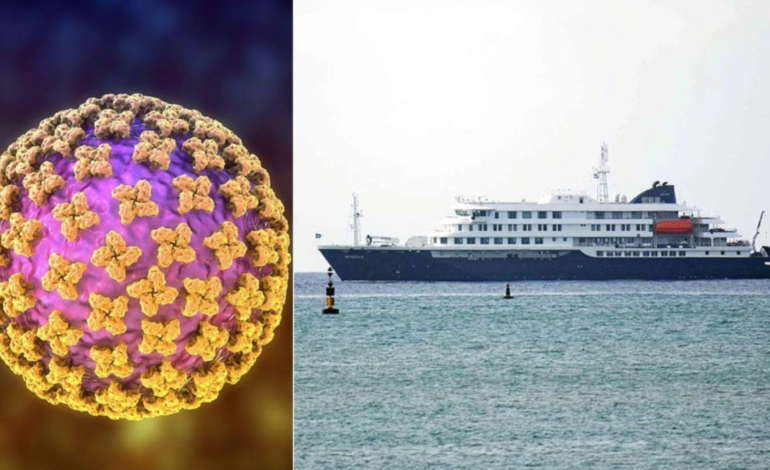
What is hantavirus and how does it spread?

Hantavirus is a rare but potentially deadly group of viruses primarily spread by infected rodents such as rats and mice. The virus recently drew global attention after an outbreak aboard the cruise ship MV Hondius, where several confirmed and suspected cases were reported among passengers and crew.
According to the World Health Organization, hantaviruses are not a single disease but a family of viruses found worldwide. Most strains spread to humans through exposure to rodent urine, droppings, or saliva. Infection usually occurs when contaminated particles become airborne and are inhaled while cleaning enclosed spaces or handling contaminated materials.
Health experts say the virus can also spread through rodent bites or when contaminated material enters the body through cuts or the eyes.
Andes virus raises concern
Among the different strains, the Andes virus is considered especially concerning because it is one of the few known hantavirus strains capable of rare human-to-human transmission. The strain is mainly found in parts of Argentina and Chile.
The current cruise ship outbreak has been linked to the Andes strain. Authorities confirmed that a Dutch passenger who died and a British passenger receiving treatment in South Africa tested positive for the virus.
Experts stress that person-to-person spread is extremely uncommon and generally requires prolonged close contact with someone already showing symptoms. Unlike influenza or COVID-19, hantavirus does not spread easily through casual contact or normal airborne transmission over distances.
Symptoms and complications
Hantavirus infections can lead to two severe illnesses:
- Hantavirus Pulmonary Syndrome (HPS) — a dangerous respiratory disease that begins with fever, fatigue, headaches, and muscle aches before progressing to severe breathing difficulties and lung damage.
- Hemorrhagic Fever with Renal Syndrome (HFRS) — a condition that affects the kidneys and may cause internal bleeding, low blood pressure, and kidney failure.
Doctors say symptoms may take anywhere from one to eight weeks to appear after exposure, making outbreaks difficult to track quickly.
The mortality rate for severe cases of HPS linked to the Andes virus is estimated at 20–40 percent.
Is there treatment or a vaccine?
Currently, there is no specific cure or widely available vaccine for hantavirus infections. Patients with severe illness often require hospitalization, oxygen therapy, intensive care support, mechanical ventilation, or dialysis.
Medical experts say early diagnosis and supportive treatment significantly improve survival rates.
Global monitoring underway
Health authorities are closely monitoring passengers from the affected cruise ship while emphasizing that the overall global risk remains low. Public health agencies are advising isolation, hygiene precautions, contact tracing, and medical observation to prevent further spread.
The outbreak has renewed international focus on zoonotic diseases — illnesses transmitted from animals to humans — and the importance of rapid global health surveillance.