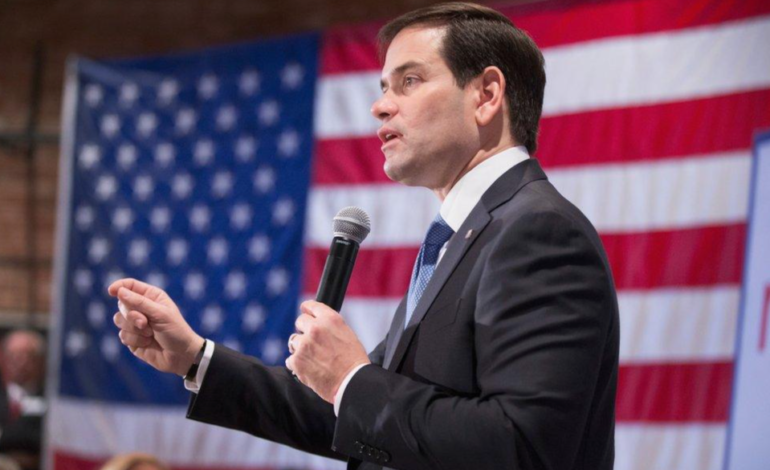
Marco Rubio sees ‘good signs’ in Iran talks, says diplomacy remains top priority

US Secretary of State Marco Rubio said Thursday that there are “good signs” emerging from ongoing negotiations with Iran, while cautioning that the diplomatic process remains uncertain and could still fail if Tehran refuses to compromise on its nuclear ambitions.
Speaking to reporters in Miami before departing for India with a stop in Europe, Rubio said the administration of Donald Trump continues to prioritise diplomacy over confrontation despite growing tensions in West Asia.
“The president’s preference is always a deal,” Rubio said, adding that Washington remains committed to finding a negotiated settlement with Tehran rather than pursuing military escalation.
Rubio noted that recent diplomatic engagements had shown “some progress,” although he described the Iranian political system as “a little fractured,” suggesting divisions within Tehran’s leadership could complicate negotiations.
The remarks come amid renewed diplomatic efforts between Washington and Tehran following months of heightened tensions over Iran’s nuclear programme, regional militia activity and maritime security concerns in the Gulf region.
Rubio also pointed to regional diplomatic outreach that could help move talks forward, mentioning that Pakistani officials were expected to travel to Tehran. He indicated that such efforts may contribute to advancing discussions between the two sides.
While expressing cautious optimism, Rubio stressed that no agreement was guaranteed and warned that the Trump administration was prepared to consider alternatives if diplomacy failed.
“The president’s been clear, he has other options,” Rubio said, declining to elaborate further but indicating that Washington remained firm on preventing Iran from obtaining nuclear weapons capability.
The secretary of state also criticised some NATO allies for failing to take stronger positions against Iran despite agreeing that Tehran should not develop nuclear weapons.
“There are many countries in NATO that agree with us that Iran is a threat,” Rubio said, arguing that several allies had not matched their concerns with meaningful action.
Rubio additionally warned that Iran already possesses missiles capable of reaching parts of Europe, although he noted that Tehran currently lacks missiles capable of striking the United States mainland.
Despite the sharper rhetoric, Rubio repeatedly emphasised that diplomacy remains the administration’s preferred path forward. He said President Trump believes a negotiated agreement remains possible and that the United States would continue pursuing diplomatic channels before considering any alternative measures.
The latest comments reflect ongoing uncertainty surrounding the future of US-Iran relations as negotiations continue amid fragile regional stability and increasing international pressure over Iran’s nuclear activities.