Protect your vision, protect your life: Part 3

Corneal diseases and surface disorders – The window to healthy vision
By: Dr. Avi Verma
The eyes are among the most precious organs of the human body, allowing us to experience the beauty of the world and maintain our independence throughout life. While many people are familiar with common eye conditions such as cataracts and glaucoma, fewer understand the critical role played by the cornea—the clear, dome-shaped front surface of the eye. The cornea acts as the eye’s primary window, focusing light and protecting the eye from dust, germs, and injury. Even minor damage to this delicate structure can significantly affect vision and quality of life.
In the first two articles of this Eye Care Series, we discussed cataracts, glaucoma, retinal disorders, and other major causes of vision loss. In this third installment, we focus on corneal and ocular surface diseases, which can cause pain, blurred vision, and even blindness if not diagnosed and treated promptly.
Cornea Care and Protection
A healthy cornea is essential for clear vision. Because it is exposed to the environment, it is vulnerable to injury, infection, ultraviolet radiation, and chronic irritation. Common causes of corneal damage include eye trauma, improper contact lens use, dry eye disease, infections, and excessive exposure to sunlight.
Symptoms of corneal problems often include redness, pain, tearing, blurred vision, sensitivity to light, and the sensation that something is stuck in the eye. Many of these symptoms should never be ignored. Protecting the cornea begins with simple habits such as wearing protective eyewear during sports or hazardous work, using UV-protective sunglasses, maintaining proper contact lens hygiene, and seeking immediate medical attention after an eye injury.
Keratoconus: When the cornea changes shape
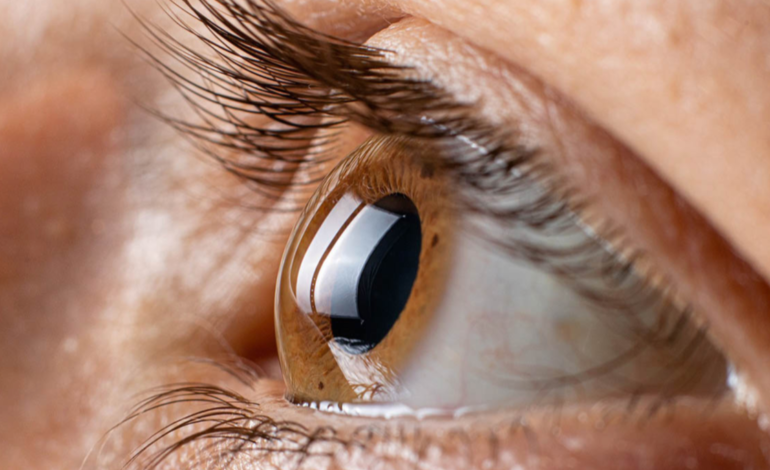
Keratoconus is a progressive eye disease in which the cornea gradually becomes thinner and bulges outward into a cone-like shape. This abnormal shape prevents light from focusing properly on the retina, resulting in distorted vision.
The condition usually develops during the teenage years or early adulthood and may be associated with a family history of the disease, chronic eye rubbing, allergies, or certain connective tissue disorders. Patients often notice worsening vision, increasing astigmatism, frequent changes in eyeglass prescriptions, glare, halos around lights, and difficulty driving at night.
In its early stages, keratoconus can often be managed with eyeglasses or contact lenses. Modern treatments such as corneal cross-linking can strengthen the cornea and slow disease progression. In advanced cases where significant scarring develops, a corneal transplant may become necessary. Avoiding excessive eye rubbing and properly managing allergies may help reduce progression in susceptible individuals.
Corneal ulcers and infections: A medical emergency
Corneal ulcers are among the most serious eye conditions and require immediate medical attention. A corneal ulcer is an open sore that develops on the cornea, usually as a result of bacterial, viral, fungal, or parasitic infections.
People who wear contact lenses are particularly vulnerable if lenses are not cleaned properly or are worn overnight. Eye injuries, severe dry eyes, and weakened immune systems can also increase risk.
Symptoms typically include severe eye pain, redness, blurred vision, excessive tearing, discharge, light sensitivity, and sometimes a visible white spot on the cornea. Without prompt treatment, corneal ulcers can leave permanent scars and cause irreversible vision loss.
Treatment depends on the underlying cause and may include antibiotic, antiviral, or antifungal medications. Early diagnosis and treatment are critical for preserving vision and preventing complications.
Corneal transplantation: Restoring sight
When the cornea becomes severely scarred, damaged, or diseased, corneal transplantation may offer the opportunity to restore vision. A corneal transplant involves replacing damaged corneal tissue with healthy donor tissue.
Corneal transplantation is one of the most successful forms of tissue transplantation performed today. It is commonly recommended for advanced keratoconus, severe infections, corneal scarring, Fuchs’ dystrophy, and other conditions that significantly impair vision.
Recovery may take several months, and patients require regular follow-up examinations to monitor healing and detect any signs of rejection. Modern surgical techniques have greatly improved outcomes, allowing many patients to regain excellent vision and return to normal daily activities.
Corneal endothelial transplant: A modern surgical advance
Not all corneal diseases affect the entire cornea. In some conditions, only the innermost layer, known as the endothelium, becomes damaged. Advances in eye surgery now allow surgeons to replace only this diseased layer rather than the entire cornea.
Procedures such as Descemet Membrane Endothelial Keratoplasty (DMEK) provide faster visual recovery, smaller incisions, reduced risk of rejection, and excellent long-term results. These procedures have revolutionized treatment for patients suffering from endothelial disorders and are increasingly becoming the preferred surgical option for suitable candidates.
Fuchs’ Dystrophy: A silent threat to vision
Fuchs’ Dystrophy is a slowly progressive inherited condition that affects the endothelial cells responsible for keeping the cornea clear. As these cells gradually die off, fluid accumulates within the cornea, causing swelling and blurred vision.
The condition is more common in older adults and tends to affect women more frequently than men. Early symptoms often include blurry vision upon waking that gradually improves during the day. As the disease progresses, patients may experience persistent blurred vision, glare, halos around lights, and increasing sensitivity to light.
In early stages, treatment may involve special eye drops and close monitoring. Advanced disease may require endothelial transplantation or full corneal transplantation to restore vision. Early diagnosis remains essential for preserving visual function.
Blepharitis: A common but chronic eyelid condition
Blepharitis is a chronic inflammation of the eyelids and one of the most common causes of eye irritation seen by eye care professionals. Although it rarely threatens vision directly, it can significantly affect comfort and quality of life.
The condition may result from bacterial overgrowth, dysfunction of the oil-producing glands in the eyelids, rosacea, dandruff-related skin conditions, or poor eyelid hygiene. Common symptoms include burning, itching, redness, crusting around the eyelashes, watery eyes, and intermittent blurred vision.
Successful treatment often requires long-term eyelid hygiene, warm compresses, artificial tears, and occasionally antibiotic medications. Consistent daily care is usually the key to controlling symptoms and preventing flare-ups.
Conclusion
As we conclude Part 3 of our Eye Care Series, one important message stands out: protecting the cornea means protecting the very window through which we see the world. Conditions such as keratoconus, corneal infections, Fuchs’ dystrophy, and blepharitis may begin gradually, but without proper treatment they can lead to serious visual impairment and even blindness.
Fortunately, modern medicine offers highly effective treatments ranging from medications and corneal cross-linking to advanced corneal and endothelial transplantation procedures. The best protection remains regular comprehensive eye examinations, prompt attention to symptoms, proper contact lens hygiene, and early medical intervention when problems arise.
In the fourth and final article of this Eye Care Series, we will discuss Dry Eye Disease, Computer Vision Syndrome (Digital Eye Strain), eye injuries and emergencies, pediatric eye care, diabetic eye prevention, vision rehabilitation, and practical daily habits that can help preserve healthy eyesight for a lifetime.
Disclaimer
This article is intended for educational and awareness purposes only and should not be considered medical advice, diagnosis, or treatment. Readers experiencing eye symptoms or vision problems should consult a qualified ophthalmologist or healthcare professional immediately. Early diagnosis and treatment are essential to protecting eyesight.