Boston then vs. now: From bridging global democracies to disguising political anarchy

By: Arun Mundra
The article contrasts two very different episodes associated with Boston and uses them to examine broader questions about democratic engagement, political activism, and the role of the Indian diaspora.
Boston Then: Strengthening India–U.S. Relations
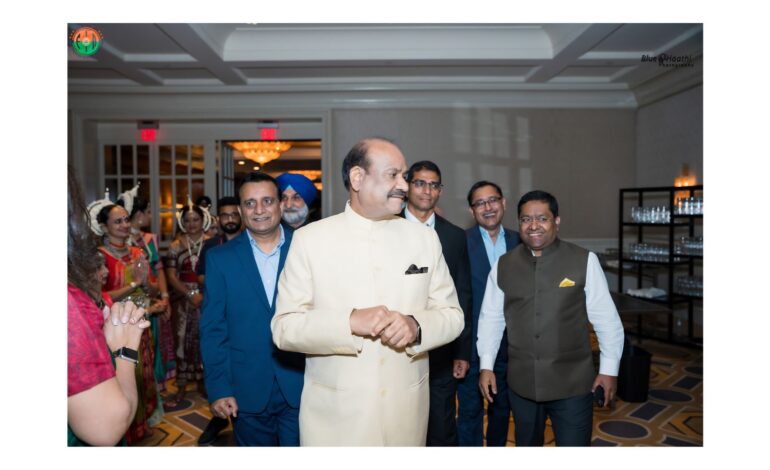
The first part recounts a high-profile event in Boston during a previous visit by Lok Sabha Speaker Om Birla for the Commonwealth Parliamentary Summit. The author, Arun Mundra, who served as an international coordinator representing global NRI platforms, describes how Birla was honored by members of the Indian diaspora and diplomatic representatives.
A symbolic gift was presented to Birla: a hand-painted plate depicting the U.S. House of Freedom and the Indian Constitution, representing democratic values, institutional integrity, and the rule of law. The article argues that the event highlighted the positive role of overseas Indians in strengthening bilateral ties between India and the United States.
The author notes that Birla discussed major legislative reforms undertaken during his tenure, including:
- Revocation of Article 370
- Triple Talaq legislation
- Citizenship Amendment Act
- Women’s Reservation Bill
According to the article, Birla emphasized the importance of the Indian diaspora in supporting India’s development, attracting investment, and reinforcing confidence in India’s economic and political progress.
Boston Now: Rise of the Cockroach Janta Party (CJP)
The second part shifts sharply in tone and focuses on a newer political movement called the Cockroach Janta Party (CJP), described as a digital-era political organization founded by Abhijit Dipke.
The article argues that despite presenting itself as an independent grassroots movement, the organization has links to established political networks and individuals associated with Delhi politics. It raises questions about the group’s claims of neutrality and independence.
The author examines a protest organized by the group at Jantar Mantar in New Delhi, contending that there was a significant gap between the organization’s online presence and its real-world mobilization capacity. While the group reportedly had a large online following, the actual turnout at the protest was portrayed as relatively small and lacking broad public participation.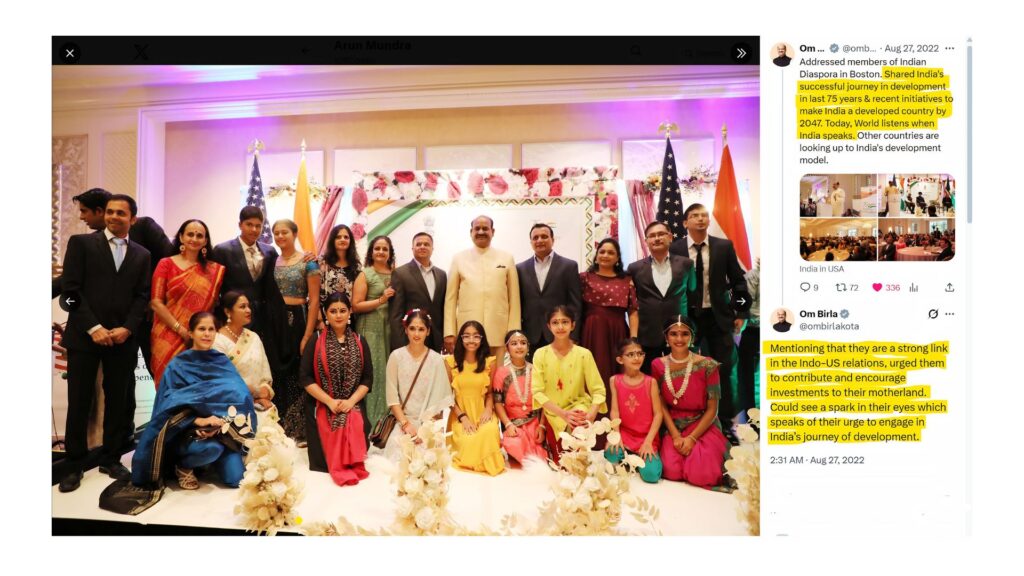
The article further claims that the protest increasingly shifted from specific policy concerns toward broader political slogans and rhetoric. The author suggests that some participants appeared unfamiliar with the technical issues that initially motivated the gathering.
Central Argument
The article uses the contrast between the two episodes to argue that democratic engagement can take very different forms:
- One model focuses on institution-building, diplomacy, civic participation, and strengthening international relationships.
- The other, according to the author, relies heavily on digital amplification and political branding without equivalent grassroots legitimacy.
The author warns that social media can blur the distinction between genuine civic activism and politically motivated mobilization. He argues that citizens should carefully evaluate whether movements are rooted in authentic public concerns or are serving broader political agendas.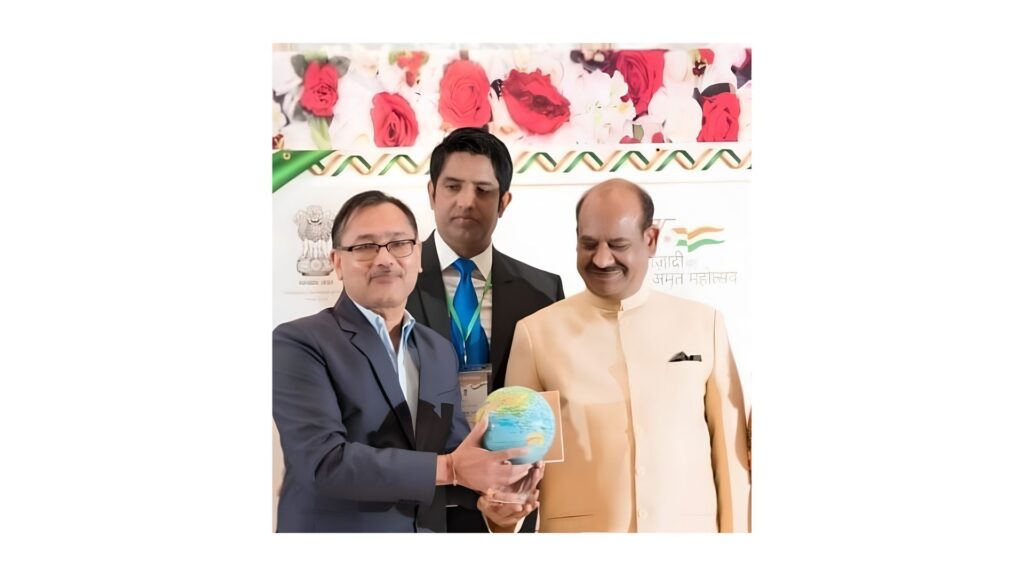
Conclusion
The article concludes that protecting democratic institutions requires more than online activism. It calls for:
- Careful scrutiny of political movements,
- Preservation of institutional integrity,
- Responsible civic engagement,
- Distinguishing genuine democratic participation from performative or politically driven activism.
The overall message is that democratic values are best advanced through constructive engagement, transparency, and strong institutions rather than through what the author characterizes as digitally amplified political theatrics.