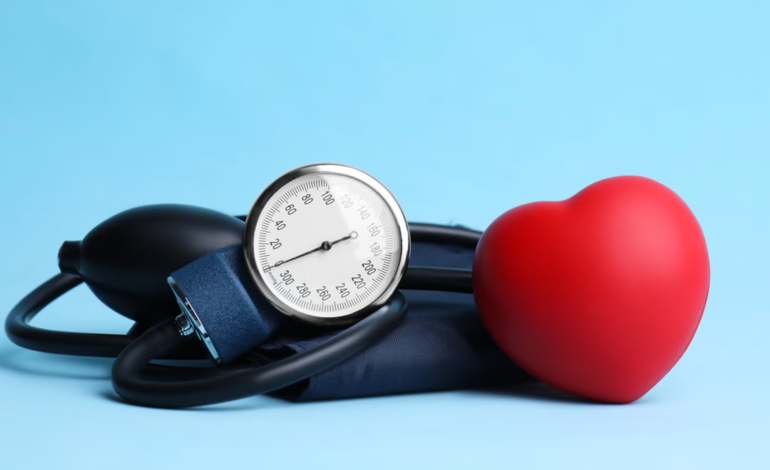
Healthy Heart, Healthy life: Part 3 – High blood pressure: The silent killer

Why Knowing Your Numbers Can Save Your Heart, Brain, and Kidneys
By Dr. Avi Verma
Introduction
In the first article of this series, we explored how the heart functions as the body’s life-sustaining pump. In Part 2, we discussed Coronary Artery Disease (CAD)—the leading cause of heart attacks—and how healthy lifestyle choices can significantly reduce cardiovascular risk. This week, we focus on another major threat that often develops quietly but can have devastating consequences—high blood pressure, or hypertension. Often called the “Silent Killer,” hypertension usually causes no noticeable symptoms while silently damaging the heart, brain, kidneys, eyes, and blood vessels. The good news is that it is largely preventable and highly treatable. Understanding your blood pressure, adopting healthy habits, and seeking timely medical care can greatly reduce the risk of heart attack, stroke, kidney disease, and premature death.
Understanding Blood Pressure
Blood pressure is the force of blood pushing against the walls of your arteries as the heart pumps blood throughout the body. It is measured using two numbers: systolic pressure, recorded when the heart contracts, and diastolic pressure, measured when the heart relaxes between beats. Blood pressure is expressed in millimeters of mercury (mm Hg). According to current American Heart Association guidelines, normal blood pressure is less than 120/80 mm Hg. Consistently elevated readings above this range increase the risk of cardiovascular disease. For most adults receiving treatment for hypertension, the long-term goal is to maintain blood pressure below 130/80 mm Hg, although treatment targets should always be individualized.
What Is Hypertension?
Hypertension occurs when blood pressure remains consistently higher than normal, forcing the heart to work harder to circulate blood. Over time, this constant pressure damages the inner lining of blood vessels, making them less flexible and more prone to narrowing and blockage. Nearly 90 to 95 percent of patients have primary (essential) hypertension, which results from a combination of genetic, environmental, and lifestyle factors. The remaining cases are caused by underlying medical conditions such as kidney disease or hormonal disorders and are known as secondary hypertension.
Risk Factors and Why It Is Called the Silent Killer
Several factors increase the risk of developing hypertension, including a family history of high blood pressure, advancing age, obesity, physical inactivity, excessive salt intake, unhealthy eating habits, smoking, excessive alcohol use, chronic stress, diabetes, high cholesterol, chronic kidney disease, and obstructive sleep apnea. Certain medications, including some pain relievers and steroids, may also contribute.
Hypertension is known as the Silent Killer because most people experience no symptoms, even when blood pressure is dangerously high. Many individuals discover they have hypertension only after suffering a heart attack, stroke, or other serious complication. Regular blood pressure screening is therefore the only reliable way to detect the condition early.
Potential Complications
When left untreated, high blood pressure gradually damages arteries and vital organs throughout the body. It significantly increases the risk of heart attack, heart failure, stroke, kidney disease, vision loss, peripheral artery disease, and certain forms of dementia. These complications usually develop slowly over many years, making early diagnosis and effective treatment essential for protecting long-term health.
Lifestyle Management: Your First Line of Defense
Healthy lifestyle choices remain the foundation of hypertension prevention and treatment. A heart-healthy diet rich in fruits, vegetables, whole grains, legumes, nuts, lean proteins, and low-fat dairy products helps lower blood pressure naturally. Reducing processed foods and limiting sodium intake are equally important. Maintaining a healthy body weight, exercising for at least 150 minutes of moderate-intensity activity each week, avoiding tobacco, limiting alcohol consumption, and managing stress through meditation, yoga, or other relaxation techniques all contribute to healthier blood pressure. Adequate sleep is equally important, as poor sleep quality and untreated sleep apnea may worsen hypertension. Even modest improvements in diet, physical activity, and weight can produce meaningful reductions in blood pressure and significantly lower the risk of cardiovascular disease.
Medications
While many people can improve their blood pressure through lifestyle changes, others require medication to achieve safe control. Commonly prescribed medications include diuretics, ACE inhibitors, angiotensin receptor blockers (ARBs), calcium channel blockers, and beta blockers, depending on an individual’s overall health and associated medical conditions. Many patients require more than one medication for optimal control. Blood pressure medications should never be discontinued without medical advice, even when readings improve, because hypertension often returns without warning.
Home Blood Pressure Monitoring
Checking blood pressure at home is one of the most effective ways to monitor treatment and detect changes early. Use a validated upper-arm blood pressure monitor with the correct cuff size whenever possible. Before taking a reading, sit quietly for at least five minutes, avoid caffeine, smoking, or exercise for thirty minutes, keep both feet flat on the floor, and support your arm at heart level. Take two readings about one minute apart and record the results. A single elevated reading is not usually cause for alarm, but consistently high readings should be discussed with your healthcare provider. Blood pressure readings of 180/120 mm Hg or higher, particularly when accompanied by chest pain, severe headache, shortness of breath, weakness, confusion, or vision changes, require immediate emergency medical attention.
The Bottom Line
High blood pressure may not cause pain or obvious symptoms, but its effects can be life-threatening. The encouraging news is that it is one of the most preventable and manageable cardiovascular risk factors. Regular blood pressure checks, healthy eating, physical activity, maintaining a healthy weight, avoiding tobacco, limiting alcohol, managing stress, and taking prescribed medications can dramatically reduce the risk of heart attack, stroke, kidney disease, and premature death. You may not feel your blood pressure—but knowing your numbers today could save your heart, protect your brain, preserve your kidneys, and add healthy years to your life.
Disclaimer
The information presented in this Healthy Heart, Healthy Life series is intended solely for educational and public awareness purposes. It is not intended to replace professional medical advice, diagnosis, or treatment, nor should it be considered a medical consultation. Readers should consult their physician or another qualified healthcare professional regarding any questions or concerns about their heart health or before making decisions related to their medical care.