Healthy Heart, Healthy Life : Stroke, blood clots & vascular disease

By: Dr. Avi Verma
Protecting the brain, heart and circulation
Understanding stroke, TIA, PAD, carotid disease and dangerous blood clots
In the first article of the Healthy Heart, Healthy Life series, we explored how the heart functions as the body’s life-sustaining pump. Part 2 examined coronary artery disease (CAD), followed by Part 3 on high blood pressure—the “Silent Killer.” Part 4 focused on heart rhythm disorders, including atrial fibrillation and modern treatment options. Part 5 examined congestive heart failure, while Part 6 explored how cholesterol, diabetes, obesity, fatty liver disease and metabolic syndrome can silently increase cardiovascular risk. Part 7 examined valvular and congenital heart disease and the advances in repairing and replacing damaged heart valves.
In this eighth installment, we move beyond the heart itself to the blood vessels and circulation that connect the heart with the brain, lungs and every other organ. Stroke, TIA, peripheral artery disease, carotid artery disease, DVT and pulmonary embolism may have different causes and symptoms, but all can seriously threaten health. Understanding their warning signs and learning how to prevent them can save lives.
Stroke: A medical emergency
A stroke occurs when blood flow to part of the brain is blocked or when a blood vessel in the brain bursts. Without oxygen, brain cells can begin dying within minutes.
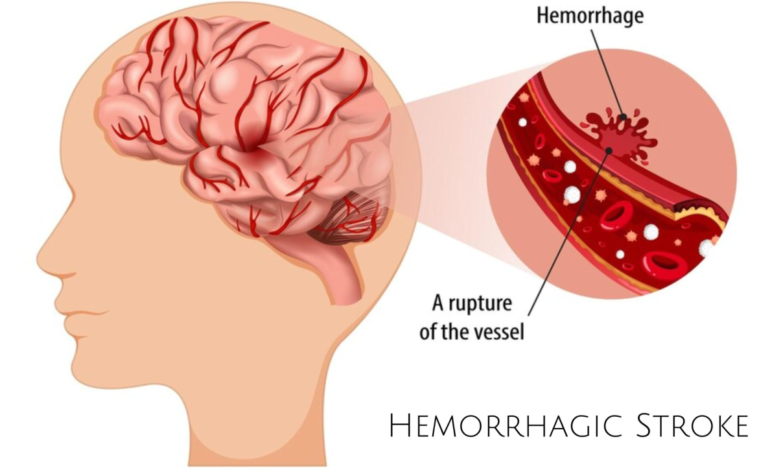
There are two major types. Ischemic stroke, caused by a blood clot or blockage, accounts for about 87% of strokes. Hemorrhagic stroke occurs when a blood vessel ruptures and causes bleeding in the brain.
Remember B.E. F.A.S.T.
- B – Balance: Sudden dizziness or loss of balance
- E – Eyes: Sudden vision problems
- F – Face: One side of the face droops
- A – Arms: Sudden weakness or numbness, especially on one side
- S – Speech: Slurred or difficult speech
- T – Time: Call 911 immediately
Do not wait for symptoms to disappear and do not drive yourself to the hospital. Note when the symptoms began, as timing can influence treatment decisions.
TIA: A warning that must not be ignored
A Transient Ischemic Attack (TIA) is a temporary interruption of blood flow to the brain. Symptoms may resemble a stroke but can disappear quickly.
TIA should never be dismissed as harmless. It is a warning sign of increased stroke risk. Because it is impossible to determine at home whether symptoms are a TIA or an actual stroke, emergency medical evaluation is necessary—even if the symptoms disappear.
Finding the underlying cause, such as carotid disease or atrial fibrillation, can help prevent a future stroke.
Peripheral Artery Disease (PAD)
Peripheral Artery Disease (PAD) occurs when arteries, usually those supplying the legs, become narrowed by plaque buildup.
A common symptom is pain, cramping or fatigue in the legs while walking that improves with rest. However, many people may have few or no symptoms.
Other warning signs include slow-healing foot wounds, changes in skin color, cold feet and reduced hair growth on the legs.
PAD is important because it can also indicate widespread artery disease and is associated with increased risk of heart attack and stroke. Treatment may include exercise, smoking cessation, cholesterol and blood-pressure control, diabetes management and, in selected cases, procedures to restore blood flow.
Carotid artery disease
The carotid arteries in the neck carry oxygen-rich blood to the brain. Plaque buildup can narrow these arteries, a condition known as carotid artery disease.
The condition may produce no symptoms until a TIA or stroke occurs. Doctors can evaluate carotid arteries using tests such as ultrasound. Depending on the severity and individual risk, treatment may include lifestyle changes, medications or procedures such as carotid endarterectomy or stenting.
Deep Vein Thrombosis (DVT)
DVT occurs when a blood clot forms in a deep vein, most commonly in the leg or thigh.
Risk increases with prolonged immobility, long-distance travel, surgery, injury and certain medical or clotting conditions.
Possible symptoms include swelling, pain, warmth or redness in one leg.
The danger is that part of the clot can break loose and travel to the lungs.
Pulmonary embolism: A life-threatening emergency
A pulmonary embolism (PE) occurs when a blood clot, often originating from a DVT, travels to the lungs and blocks blood flow.
Warning signs include:
- Sudden shortness of breath
- Chest pain, especially with breathing
- Rapid heartbeat
- Lightheadedness or fainting
- Coughing, sometimes with blood
Call 911 immediately if these symptoms occur.
During long journeys, getting up and walking every 1–2 hours and moving the legs while seated can help reduce prolonged immobility. People with previous clots or other risk factors should discuss prevention with their physician.
Prevention: Protect your entire circulatory system
Many vascular problems can be reduced by controlling major risk factors:
Control blood pressure: High blood pressure is a major risk factor for stroke.
Manage cholesterol: Lowering unhealthy cholesterol can reduce plaque buildup.
Control diabetes: Good blood-sugar management protects blood vessels.
Do not smoke: Smoking damages blood vessels and greatly increases cardiovascular risk.
Stay active: Regular physical activity supports healthy circulation, weight, blood pressure and cholesterol.
Eat a heart-healthy diet: Choose vegetables, fruits, whole grains, legumes, nuts and other minimally processed foods while limiting excess sodium, saturated fat, added sugars and highly processed foods.
Take medications as prescribed: People with conditions such as atrial fibrillation, PAD, high blood pressure or high cholesterol may need medications to reduce their risk. Never start or stop blood thinners without medical advice.
A final message
Stroke and vascular disease can strike suddenly, but many of their risk factors can be identified and managed.
Know the warning signs. Control your risk factors. Keep moving. Don’t smoke. And never ignore sudden neurological symptoms or signs of a serious blood clot.
When stroke or pulmonary embolism is suspected, every minute matters. Call 911 without delay.
A healthy heart depends on a healthy circulatory system—and protecting that system is one of the most important investments we can make in a longer, healthier life.
Disclaimer
The information presented in this Healthy Heart, Healthy Life series is intended solely for educational and public awareness purposes. It is not intended to replace professional medical advice, diagnosis or treatment and should not be considered a medical consultation.
Readers should consult their physician or another qualified healthcare professional regarding their individual health, medications, risk factors or treatment options. If you or someone around you develops symptoms of stroke, TIA or pulmonary embolism, call 911 or seek emergency medical care immediately.