HEALTHY AGING, HEALTHY LIVING SERIES

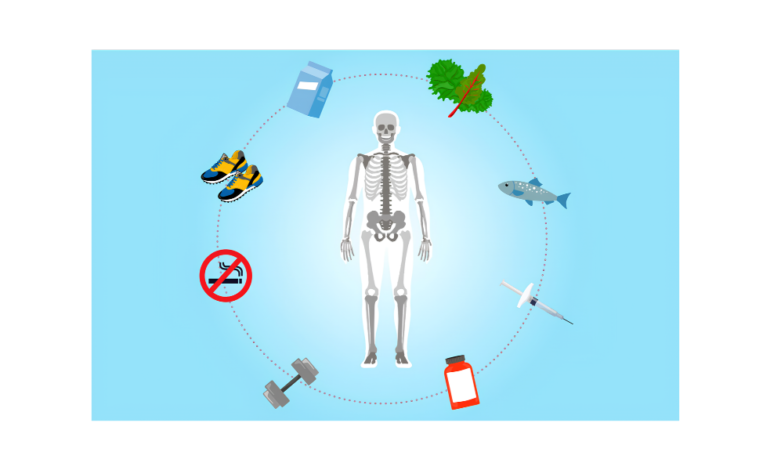
Part 3 – Strong Bones, Strong Body: Preventing Osteoporosis and Falls
Protecting Bone Strength, Balance and Independence as We Age
By: Dr. Avi Verma
In Part 1 of our Healthy Aging, Healthy Living series, we discussed why healthy aging is about more than simply adding years to life—it is about preserving health, independence and quality of life. In Part 2, we explored the importance of protecting brain health, memory and cognitive function. But a healthy brain also needs a strong body to support it. Strong bones, healthy muscles, good balance and safe mobility are essential for maintaining independence as we age. Declining bone density and muscle strength can increase the risk of falls and fractures, but many of the factors that protect our bones and mobility are within our control.
Understanding Osteoporosis
Bones are living tissues that constantly break down old bone and replace it with new bone. As we age, however, bone loss can begin to exceed bone formation. This process accelerates particularly in women after menopause because of declining estrogen levels, although men also experience age-related bone loss.
When bones become sufficiently weak and fragile, osteoporosis develops. Often called a “silent disease,” osteoporosis may have no obvious symptoms until a fracture occurs. A relatively minor fall can cause serious fractures of the hip, spine or wrist in someone with significantly weakened bones.
A DEXA or DXA scan measures bone mineral density. A T-score of −2.5 or lower at the hip or spine is one standard criterion used to diagnose osteoporosis. Doctors may also use tools such as FRAX to estimate an individual’s 10-year fracture risk.
Bone density, however, is only part of the picture. Muscle strength, balance, previous falls, vision, medications and the safety of the home environment also influence fracture risk.
Calcium and Vitamin D
Adequate nutrition provides an important foundation for bone health.
Most adults need approximately 1,000–1,200 mg of calcium daily, depending on age and individual circumstances. Good sources include milk, yogurt, cheese, calcium-fortified foods, leafy greens, tofu and certain fish.
Vitamin D helps the body absorb calcium and supports normal bone and muscle function. Recommended intake is generally 600 IU daily for adults through age 70 and 800 IU for those over 70, although individual needs may differ.
Food is generally the preferred source of nutrients. People with osteoporosis, vitamin D deficiency or other medical conditions may require individualized supplementation. More is not necessarily better, and excessive supplementation can carry risks.
Smoking and excessive alcohol consumption can weaken bone health and should be avoided. A balanced diet rich in protein, vegetables, fruits and other minimally processed foods also supports healthy aging.
Exercise: Build Muscle, Support Bone
Regular physical activity is one of the most effective ways to maintain strength and mobility.
Weight-bearing activities, including brisk walking and stair climbing, place beneficial stress on bones. Resistance training using weights, resistance bands or body weight strengthens muscles and can support bone health.
For many older adults, strength training at least twice a week is an important goal. Exercises should be appropriate for an individual’s fitness level and medical condition.
People with established osteoporosis or previous vertebral fractures should seek professional guidance before beginning high-impact activities. Some movements involving forceful spinal bending or twisting may increase fracture risk.
The goal is not extreme exercise—it is consistent, safe and progressive movement.
Balance Can Prevent Falls
Strong bones cannot protect us if we frequently fall.
Balance may decline with age because of changes in muscle strength, vision, reaction time, joints and the nervous system. Fortunately, balance can be improved through regular practice.
Tai Chi, heel-to-toe walking and appropriately modified balance exercises can help improve stability. Strengthening the legs, hips, abdomen and back also supports better mobility and posture.
Make Your Home Safer
Many falls occur in familiar surroundings. Simple changes can make a significant difference.
Remove loose rugs or secure them properly. Keep electrical cords away from walkways. Improve lighting in hallways and stairways. Install grab bars in bathrooms when needed and use stair railings.
Wear properly fitting, supportive shoes and avoid walking on slippery floors in socks.
Regular vision and hearing checks are also important. Medication review is another essential step because some medicines can cause dizziness, drowsiness or a drop in blood pressure when standing. Never stop medication on your own; instead, ask your healthcare professional whether any medication may be increasing your fall risk.
Simple assessments such as the Timed Up and Go test can help healthcare professionals evaluate mobility and fall risk.
Who Should Consider a Bone Density Test?
In the United States, routine osteoporosis screening is generally recommended for women age 65 and older, as well as younger postmenopausal women whose fracture risk is elevated. Men and younger adults may also need screening depending on individual risk factors.
Earlier testing may be appropriate for people with a previous fracture, low body weight, a family history of osteoporosis, long-term corticosteroid use, smoking, heavy alcohol consumption or medical conditions affecting bone health.
If osteoporosis is diagnosed, lifestyle measures may be combined with medications that reduce fracture risk. Treatment should be individualized according to a person’s medical history and overall fracture risk.
Strong Bones, Stronger Independence
Healthy aging is not about protecting one organ at a time. Strong bones, strong muscles, good balance, healthy vision, appropriate medications and a safe environment work together to preserve independence.
The objective is simple: stay strong, stay mobile and stay independent for as long as possible.
Aging is inevitable. Frailty does not have to be.
Next Week: Part 4 – Diabetes and Prediabetes: The Warning Signs We Should Not Ignore
In the next installment of Healthy Aging, Healthy Living, we will discuss diabetes and prediabetes—why prediabetes matters, who is at greater risk, warning signs, blood-sugar testing, and how diet, weight management and lifestyle changes can help protect long-term health.
Medical Disclaimer
This article is intended for general educational and informational purposes only and is not a substitute for professional medical advice, diagnosis or treatment. Recommendations regarding osteoporosis screening, exercise, nutrition, supplements and medications should be individualized according to age, medical history and fracture risk. Consult your physician or another qualified healthcare professional before beginning a new exercise program, taking supplements, or making significant dietary or medication changes. Do not start, stop or change any medication without professional medical guidance. In case of a medical emergency, seek immediate medical attention.