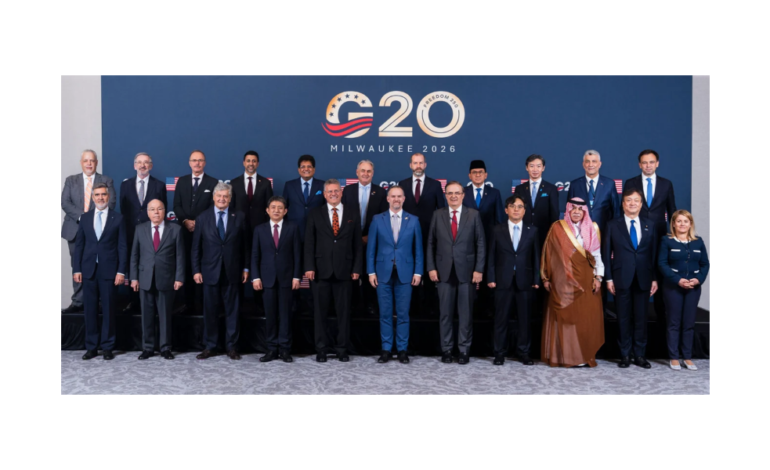
G20 Trade Ministers reach consensus against weaponization of food through coercive trade actions

By: Vandana Jhingan
The “G20 Statement on the Weaponization of Food through Coercive Trade Actions” was agreed upon during the G20 Trade Ministers’ meeting held in Milwaukee on September 30 and October 1 under the U.S. presidency.
U.S. Ambassador Jamieson Greer said the ministers’ discussions highlighted shared concerns about government actions that restrict or redirect food and agricultural trade to exert pressure for unrelated geopolitical concessions.
“Food weaponization” can include measures intended to slow, stop, block or otherwise influence the movement of food, agricultural products and agricultural inputs. According to the statement, such actions can disrupt supply chains, threaten food security, affect agricultural producers and consumers, and undermine confidence in international markets.
The G20 ministers said coercive trade measures could particularly affect vulnerable populations and countries that depend on stable international food and agricultural supply chains.
The statement also acknowledges that governments may regulate food and agricultural trade for legitimate domestic policy reasons. The G20 said its concerns do not extend to measures that are transparent, consistent with relevant international rules and norms, and designed to advance legitimate public policy objectives, including food security.
The ministers expressed concern that coercive actions could sometimes be presented as ordinary regulatory or public-policy measures while being used to pursue broader geopolitical objectives.
Greer said the agreement represents a step toward ensuring that agricultural products are not used as instruments of economic or political pressure.
The statement reflects a broader G20 concern over the vulnerability of global food and agricultural supply chains to geopolitical disputes. By addressing the issue collectively, the trade ministers called attention to the potential humanitarian and economic consequences of using trade restrictions to pursue unrelated political objectives.
The G20 statement concludes with a clear condemnation of the weaponization of food, describing it as a significant humanitarian and economic threat.