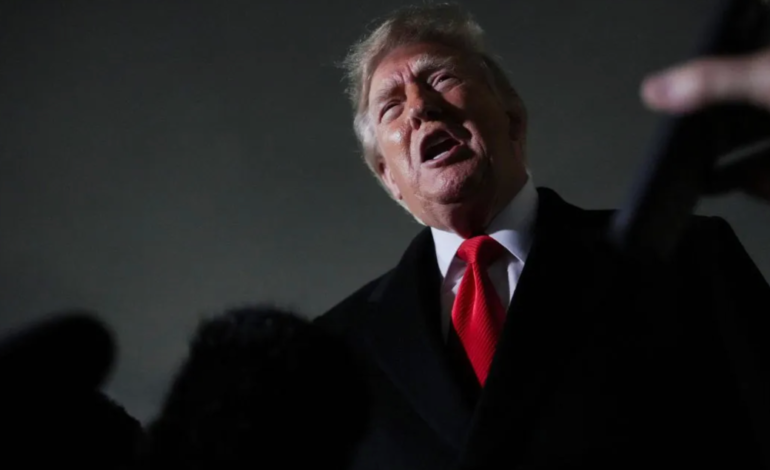
Russian diesel is not for the U.S. but for global markets, Trump says

U.S. President Donald Trump has defended his administration’s decision to ease restrictions on Russian diesel exports, saying the fuel is intended for global markets rather than specifically for the United States. His remarks come amid growing criticism from lawmakers who argue that the agreement could weaken sanctions against Moscow and provide additional revenue to support Russia’s war in Ukraine.
“That’s a diesel deal. Not for us. That’s being released into the world. That’s not being released to us,” Trump told reporters on Tuesday.
The agreement was announced on October 9 following a conversation between Trump and Russian President Vladimir Putin. Trump said Russia would initially supply more than 300,000 metric tons of diesel, followed by another 500,000 tons in November and an additional one million tons thereafter. He also outlined plans for further shipments.
The administration’s move comes as global fuel prices remain elevated amid supply disruptions linked to the conflict involving the United States, Israel and Iran. Trump has argued that increasing the availability of diesel could ease pressure on international energy markets.
To facilitate the shipments, the U.S. Treasury Department issued a temporary licence easing restrictions on Russian diesel supplies. However, the decision has triggered bipartisan opposition in Washington.
A group of 12 senators from both parties urged Trump to reverse the agreement, warning that relaxing restrictions could undermine efforts to pressure Russia over its invasion of Ukraine. Critics argue that revenue from additional energy exports could help Moscow sustain its military campaign, while the benefit to consumers may be limited.
Ukrainian President Volodymyr Zelenskyy has also criticised the arrangement. Some energy analysts have questioned whether the proposed volumes would be sufficient to produce a lasting reduction in fuel prices.
The controversy highlights the challenge facing Washington as it seeks to address high energy costs while maintaining economic pressure on Russia. Although Trump has presented the agreement as a measure to stabilise global fuel supplies, opponents say it risks weakening sanctions and complicating U.S. support for Ukraine.