Indian Americans: From ‘model minority’ to a community under scrutiny

By: Suresh Bodiwala
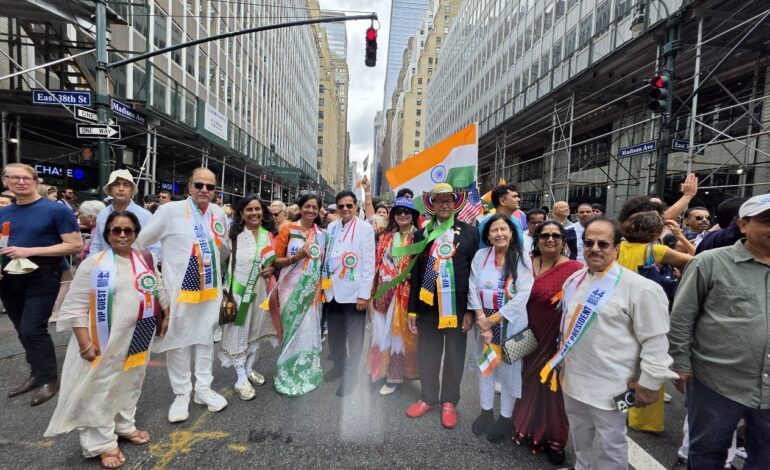
For decades, Indian Americans have been recognized for their achievements in technology, medicine, education, entrepreneurship and public service. Their success has often been cited as an example of the American dream. Today, however, the community faces growing scrutiny amid contentious debates over immigration, high-skilled foreign workers and cultural integration.
The controversy intensified following remarks attributed to Vice President J.D. Vance describing certain H-1B visa holders as ‘foreign indentured servants.’ Critics argued that the phrase carried troubling historical connotations and diminished the contributions of skilled immigrants. Meanwhile, increased scrutiny of employment-based immigration programs has raised concerns about the future of international talent in America’s workforce.
A record of achievement
Changes to U.S. immigration law in 1965 opened greater opportunities for skilled immigrants from India. Over subsequent decades, Indian Americans became prominent in technology, healthcare, higher education, business and government.
Today, the community numbers approximately five million and is among the most highly educated and economically successful ethnic groups in the country. Indian-origin professionals have helped advance artificial intelligence, cybersecurity, cloud computing and other technologies. Indian-born entrepreneurs have founded companies, created jobs and attracted investment, while executives of Indian origin lead major American corporations.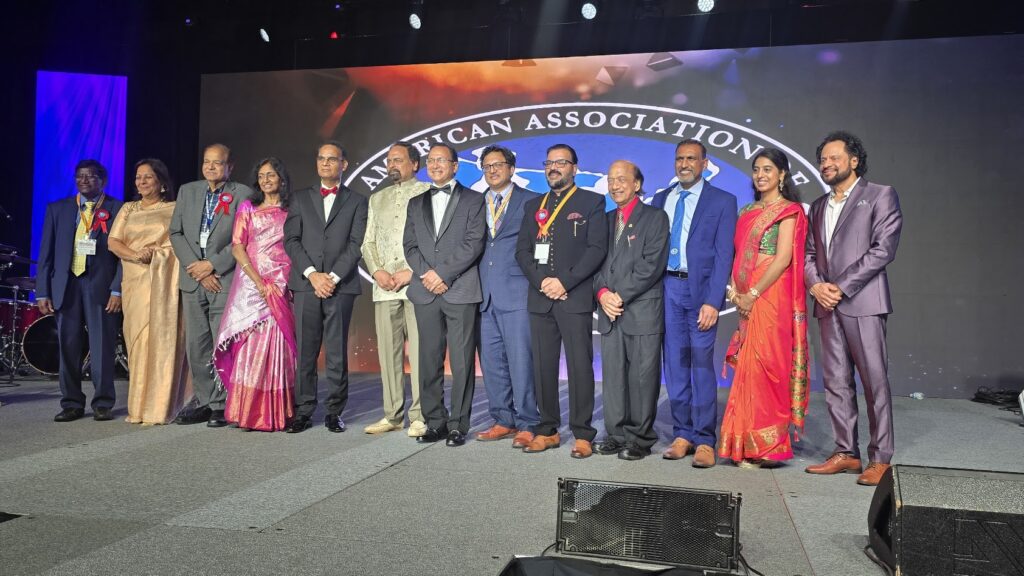
Indian physicians and healthcare professionals also play an important role in hospitals, clinics and research institutions nationwide. Their contributions were particularly visible during the COVID-19 pandemic. Indian students and researchers, meanwhile, contribute to American universities, scientific discovery and technological innovation.
Entrepreneurship has expanded beyond technology and medicine. Indian Americans have built successful businesses in hospitality, retail, transportation, finance and healthcare services. In the hotel industry, generations of Indian-origin owners have transformed family-operated businesses into significant commercial enterprises.
Their growing participation in Congress, government agencies, diplomacy and other public institutions further demonstrates the community’s expanding role in American civic life.
The immigration debate
Despite these achievements, high-skilled immigration has become a contentious political issue. Critics of the H-1B program argue that some employers may use foreign workers to reduce labor costs or disadvantage American employees. Supporters counter that international talent helps fill specialized positions, supports innovation and enables U.S. companies to compete globally.
Both worker protections and access to qualified talent matter. The challenge is to examine employer practices and labor-market evidence without treating foreign workers as a threat simply because of their national origin.
The U.S.-India Strategic Partnership Forum has argued that employment-based immigration contributes to American innovation, tax revenues and economic growth. The organization has urged policymakers to recognize these benefits while maintaining a strong domestic workforce.
Indian Americans are not a uniform group. They include recent immigrants, U.S.-born citizens, students, entrepreneurs, professionals and workers with widely different experiences. Some enjoy substantial success, while others face immigration backlogs, discrimination and economic challenges.
Beyond the ‘model minority’ label
The ‘model minority’ stereotype highlights achievement but can conceal the community’s diversity and challenges. It may also create unrealistic expectations that all Indian Americans share the same advantages or experiences.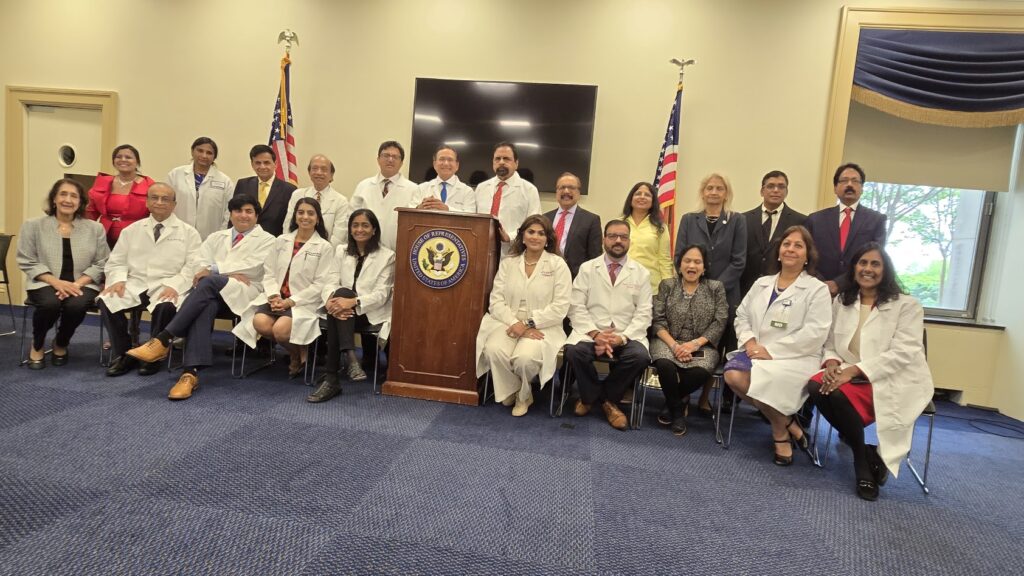
Questions about cultural integration have also emerged. Some community members believe newer immigrants should make greater efforts to engage with mainstream American society, respect shared public spaces and participate in local civic life. Such concerns should be discussed constructively without generalizing about an entire ethnic group. Cultural identity and integration are not mutually exclusive.
Ankur Vaidya, chairman of the Federation of Indian Americans in New York, New Jersey and Connecticut, has cautioned that communities celebrated for their success can become vulnerable when they are increasingly viewed as outsiders. He cited Uganda’s expulsion of its Asian population, primarily of Indian descent, in 1972, as a historical warning about the consequences of targeting people because of their origins.
The road ahead
The challenge for policymakers is to balance legitimate concerns about hiring practices and worker protection with recognition of the economic and social contributions of skilled immigrants. For Indian Americans, continued civic participation, community engagement and constructive dialogue can help strengthen public understanding and mutual trust.
As the United States competes in artificial intelligence, healthcare, scientific research and other critical fields, its ability to attract and retain talent remains an important consideration.
Indian Americans should be judged as individuals, not through stereotypes based on ethnicity or national origin. Their experience demonstrates how immigration, education, entrepreneurship and opportunity can contribute to national prosperity.
The debate is ultimately about more than one community. It concerns how America can protect its workers, enforce fair immigration rules and preserve the openness and innovation that have helped drive its success.