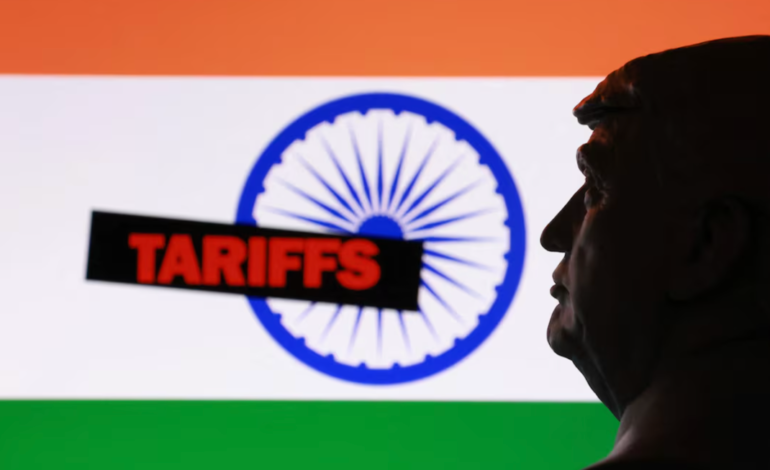
US proposes 25% tariff on Indian goods, offers 17% rate if trade deal is reached

The United States has proposed tariffs of up to 25% on Indian imports, with the rate potentially reduced to 17% if New Delhi reaches a trade agreement with the Trump administration. The proposal is part of Washington’s latest effort to address what it describes as structural excess manufacturing capacity among major trading partners.
U.S. Trade Representative Jamieson Greer said Wednesday that the proposed tariff on Indian goods would be capped at 17% if the two countries finalize a trade deal. Without an agreement, the rate could rise to 25%.
The proposal forms part of a broader trade action targeting 14 trading partners, including India, China, the European Union, Japan, South Korea, Vietnam and Bangladesh.
The investigation was initiated by the Office of the U.S. Trade Representative (USTR) in March under Section 301 of the Trade Act of 1974. It examines whether foreign government policies encourage manufacturing output beyond domestic and global market demand, potentially creating excess supply and distorting international trade.
Washington argues that such practices can depress global prices, disadvantage American manufacturers, weaken domestic production and affect U.S. jobs and investment.
The U.S. investigation covers several industrial sectors, including batteries, cement, chemicals, processed food, steel and other manufactured products. American officials have also raised concerns about India’s industrial policies, labor protections, financial restrictions and market access barriers.
The proposed tariffs are not yet final. The administration’s announcement outlines a proposed trade measure that remains subject to the applicable review and consultation process. The earliest possible implementation timeline has been indicated as January.
The latest proposal comes after the U.S. Supreme Court ruled on Feb. 20, 2026, that the International Emergency Economic Powers Act does not authorize the president to impose sweeping tariffs. However, other sector-specific duties, including those affecting automobiles and steel, remain separate trade measures.
The proposed tariff structure adds another dimension to ongoing trade negotiations between Washington and New Delhi, with the final agreement likely to determine the rate applied to Indian exports.