Iran strike on Qatar LNG hub sparks global energy shock, Europe and Asia face crisis

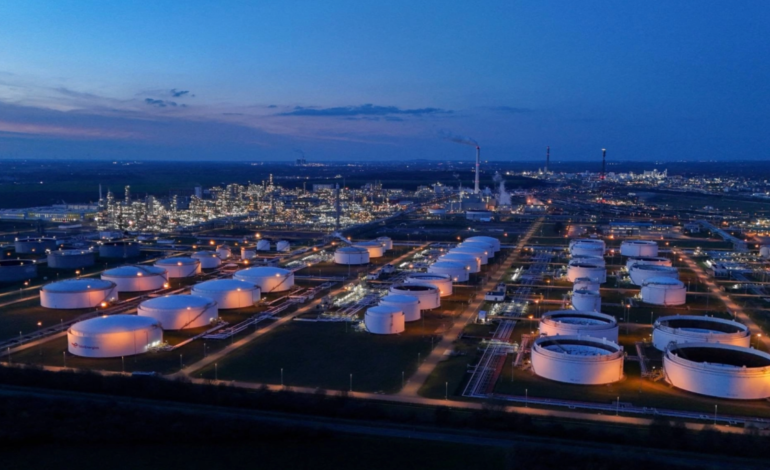
The escalating conflict in the Middle East has triggered a severe shock to global energy markets, raising fears of a prolonged crisis across Europe and Asia. Iran’s missile strike on Qatar’s Ras Laffan Industrial City—home to the world’s largest liquefied natural gas (LNG) hub—has disrupted operations at a facility critical to global energy supply.
Ras Laffan plays a central role in converting Qatar’s vast natural gas reserves into LNG for export worldwide. Under normal conditions, the facility accounts for nearly one-fifth of global LNG supply, making any disruption a major concern for energy-importing nations. The complex operates multiple liquefaction units capable of producing tens of millions of tonnes annually, supplying key markets across Europe and Asia.
Also See: “Israel of the region” ex Afghan minister warns on Pakistan, urges India to take stronger action
Following the attack, global markets reacted sharply. Brent crude prices surged over 10 percent, briefly crossing $119 per barrel, while European gas prices spiked by as much as 35 percent before stabilizing at elevated levels. Analysts warn that these developments could translate into higher electricity costs and inflationary pressures, particularly in economies heavily reliant on imported energy.
Experts say the damage to Ras Laffan could take years to repair, significantly tightening global LNG supply. The disruption is expected to remove a substantial portion of Qatar’s output, forcing countries to compete for alternative sources such as the United States and Australia. However, replacing Qatari supply is not straightforward, given the scale and complexity of LNG infrastructure.
Europe, already dependent on LNG imports after reduced pipeline flows from Russia, now faces intensified competition with Asian buyers, including Japan and South Korea. Meanwhile, several Asian economies are grappling with supply constraints, with some industries reportedly scaling back operations due to rising costs and limited availability.
Energy analysts have described the situation as a potential “nightmare scenario,” warning that prolonged disruptions could keep gas prices elevated for years. The crisis has also prompted discussions in some regions about reverting to coal-based power generation, highlighting the fragile balance of global energy systems.
As geopolitical tensions continue to escalate, the strike underscores the vulnerability of critical energy infrastructure and the far-reaching consequences of conflict in key production regions. With no immediate resolution in sight, the global energy market is bracing for sustained volatility and uncertainty.
Also See: Iran attack on world’s largest LNG hub puts India’s gas supply at risk