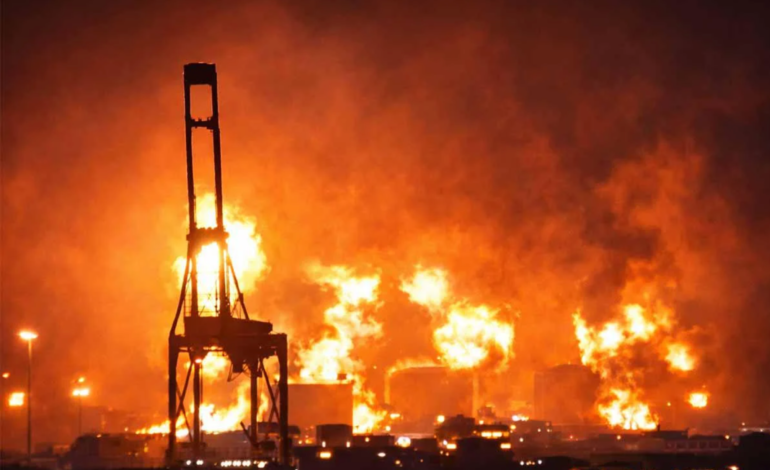
World’s biggest gas hub in Qatar attacked by Iran, global energy markets shaken

Global energy markets have been thrown into fresh turmoil after an Iranian missile strike targeted Ras Laffan Industrial City in Qatar, home to the world’s largest liquefied natural gas (LNG) export hub. The attack marks a sharp escalation in the ongoing Middle East conflict, with critical energy infrastructure now directly in the line of fire.
The Gulf region has emerged as the focal point of Iran’s retaliation following U.S.-Israeli strikes that triggered the current hostilities. Tehran has expanded its response beyond military targets to include key hydrocarbon facilities, drawing strong reactions from energy-dependent Gulf nations.
Also See: Japan successfully transmits electricity from space to Earth in clean energy breakthrough
The strike on Ras Laffan has forced a complete shutdown of production, sending shockwaves across global oil and gas markets. As one of the world’s leading LNG suppliers, Qatar plays a pivotal role in meeting energy demand across Europe and Asia. Any disruption to its output is expected to tighten global supply and push prices higher.
This is not the first such disruption. Earlier this month, Iranian strikes on Qatari gas facilities compelled QatarEnergy to suspend operations temporarily. Those attacks were reportedly in response to Israel’s strike on Iran’s South Pars gas field, part of the world’s largest shared natural gas reserve.
The continuing cycle of attacks and counterattacks highlights the vulnerability of global energy infrastructure and raises concerns about prolonged instability. With tensions escalating, markets remain on edge over the risk of sustained supply disruptions and rising energy costs worldwide.
Also See: India showcases rural transformation and women’s collectives at IFAD–India Day in Rome