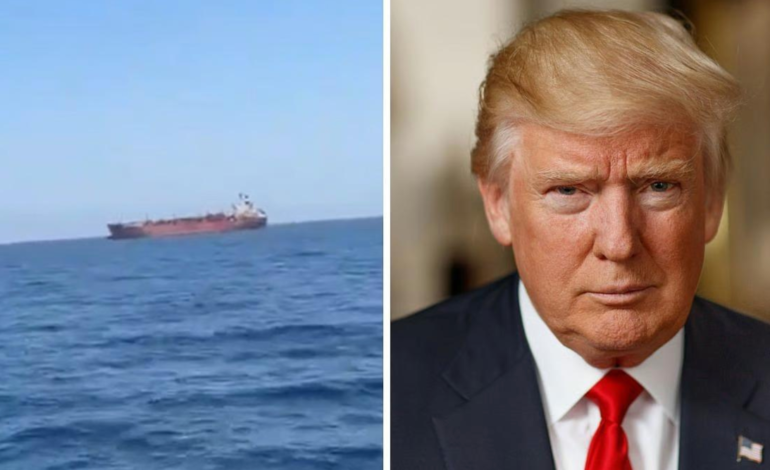
Trump urges allies to buy US oil or source it from Strait of Hormuz amid Iran war

U.S. President Donald Trump has urged global allies to turn to American oil supplies or secure resources directly from the Strait of Hormuz, as tensions continue to escalate in the ongoing conflict with Iran.
Speaking amid growing concerns over energy security, Trump said that “the hard part” of the war had already been completed, signaling confidence in the current phase of the U.S.-led military campaign. His remarks come as the Strait of Hormuz — a critical global oil transit route — faces disruptions that have rattled international markets and raised fears of supply shortages.
The strategic waterway, through which nearly a fifth of the world’s oil supply passes, has become a focal point in the conflict. Iran’s actions in the region have already impacted shipping movements, prompting concerns among major economies dependent on Gulf energy exports.
Meanwhile, U.S. Defense Secretary Pete Hegseth indicated that diplomatic efforts to end the conflict are underway. He said discussions aimed at de-escalation are making progress, even as military operations continue across multiple fronts.
On the ground, the situation remains volatile. U.S.-Israeli airstrikes reportedly targeted key infrastructure inside Iran, including a major pharmaceutical facility involved in producing critical medicines such as anesthetics and cancer treatments. Iranian authorities condemned the strikes, calling them a serious escalation with humanitarian implications.
At the same time, Israel confirmed that four of its soldiers were killed in combat operations in southern Lebanon, where its forces are engaged in clashes with Iran-backed Hezbollah fighters. The latest fatalities bring the total number of Israeli troop deaths in the conflict to ten, underscoring the growing human cost of the war.
Israeli officials have also indicated that their military presence in parts of southern Lebanon may continue even after the conflict formally ends, suggesting a prolonged security strategy aimed at countering Hezbollah’s influence near its borders.
The conflict, now entering its second month, has widened beyond Iran’s borders, drawing in regional actors and increasing the risk of further escalation. Analysts warn that continued instability around the Strait of Hormuz could have far-reaching consequences for global energy markets, potentially driving oil prices sharply higher.
Despite signals of diplomatic engagement, the combination of military strikes, political messaging, and economic pressure highlights the fragile balance between escalation and negotiation as the crisis unfolds.