Rethinking youth culture: Saving values, confronting addiction

By: Ashwani Mahajan
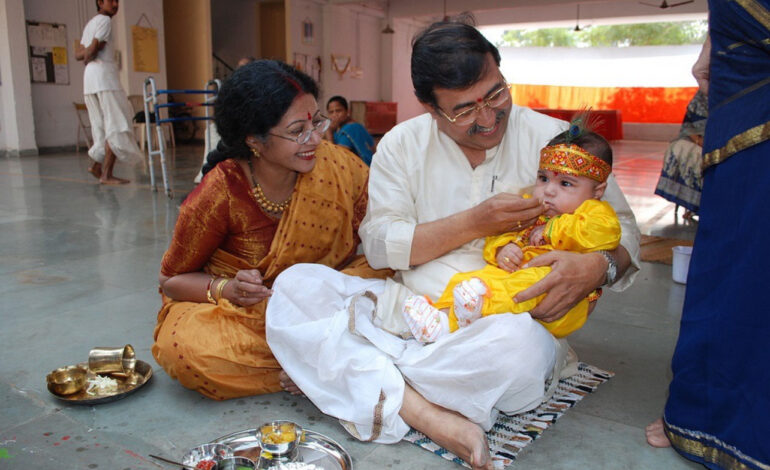
It is deeply concerning to see a growing number of Indian youth drifting away from their Sanskar, the moral values, discipline, and cultural grounding that have shaped generations, and becoming entangled in drug abuse and destructive lifestyles. What was once a society rooted in strong family bonds, respect for elders, and shared traditions now faces a serious challenge as addiction and moral confusion rise among young people.
Drug abuse has become a steadily growing problem in India. While multiple factors contribute, the rapid spread of mobile phones, social media, and the internet has dramatically altered the social landscape. Technology itself is not the enemy. It brings progress and opportunity, but unchecked and excessive use has created serious setbacks, especially for impressionable minds.
Traditionally, Sanskars were passed down through daily interaction with parents and grandparents, through conversations, stories, shared meals, and lived examples. Today, these moments are disappearing. Families may live under the same roof, yet emotionally and mentally, many are worlds apart. Young people are absorbed in screens, disconnected from meaningful dialogue, while exposure to vulgar, violent, or addictive online content distorts values and character.
Alongside this moral drift, drug addiction and criminalization among youth are rising alarmingly. Academic pressure, job uncertainty, mental health challenges, and constant social media comparison drive many toward substance abuse. Drugs often become a form of self-medication when mental health support is lacking.
The weakening transmission of Sanskars compounds the problem. Values cannot remain abstract; they must be demonstrated in daily life. When honesty, discipline, compassion, and restraint are absent at home or in society, youth struggle to internalize them. Identity conflicts in a fast-paced world often push young people toward reckless escapes rather than embracing tradition.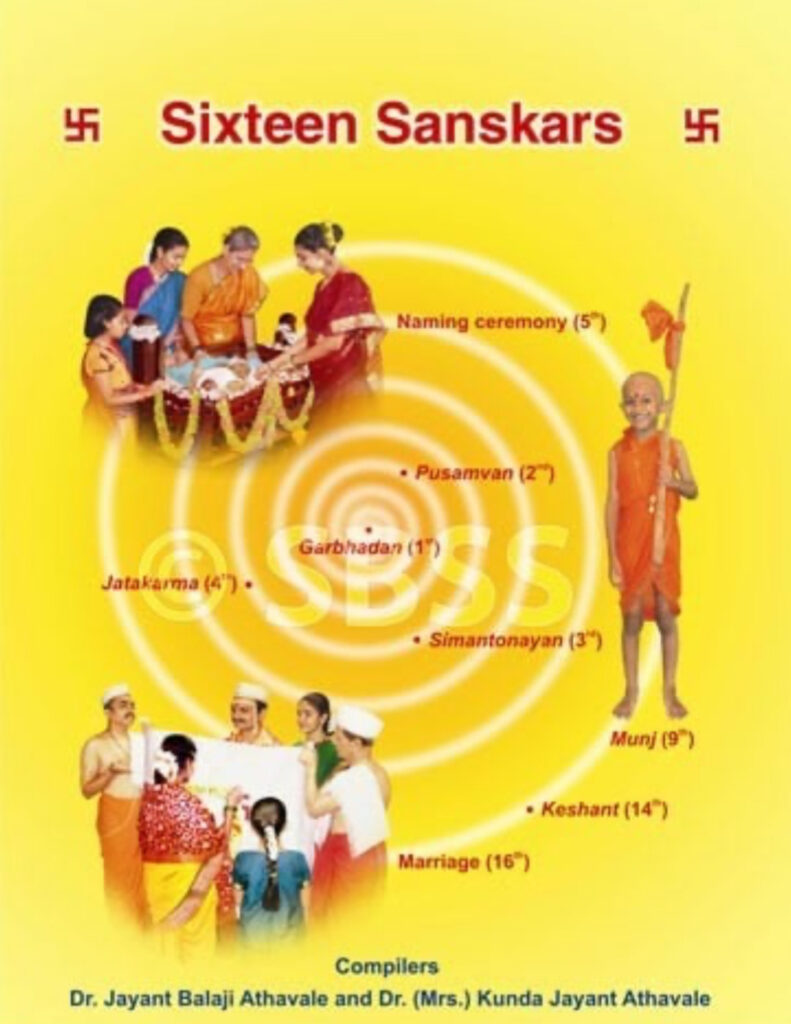
The solution is not to reject modernity but to blend tradition with contemporary life. Parents play a crucial role by integrating cultural teachings into modern activities and sharing relatable stories from grandparents, community leaders, and real-life role models. Mentors who navigate modern challenges while remaining grounded in values can inspire meaningful change.
Communities must support youth by encouraging service, empathy, and responsibility. When young people experience the joy of giving and belonging, they are less likely to fall into addiction and isolation.
Addressing drug abuse and the erosion of Sanskars requires a collective effort from parents, educators, community leaders, policymakers, and youth themselves. With conscious guidance, wise use of technology, and serious attention to mental health, India can lead its youth back to a path of purpose, dignity, and strength while keeping them connected to the modern world.