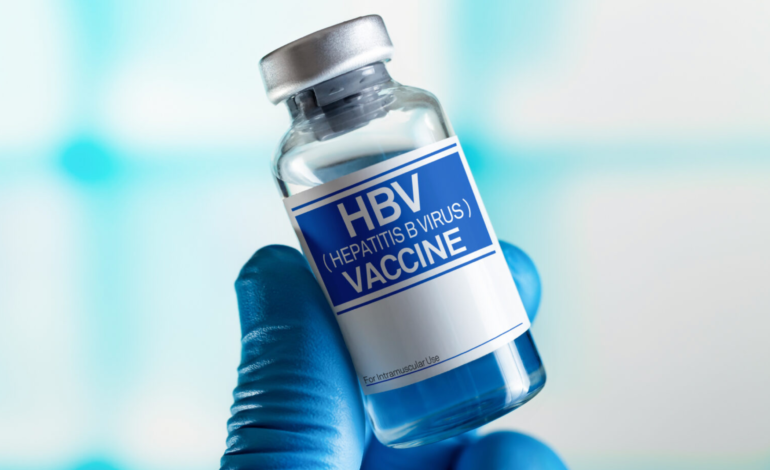
Understanding the latest hepatitis B vaccine guidance: What you need to know

By: Dr. Avi Verma
Hepatitis B vaccination has recently come under renewed discussion following updated guidance from a CDC advisory panel. The panel voted to no longer recommend the hepatitis B shot universally for all newborns, prompting medical experts to emphasize the continued importance of early protection and evidence-based guidance for parents and caregivers.
Hepatitis B is a viral liver infection that can lead to serious long-term health issues, including cirrhosis, liver failure, and liver cancer. Infection within the first year of life is especially risky, with a high chance of chronic infection and long-term complications. Because the virus can be transmitted at birth and remain symptom-free for years, vaccination within 24 hours of delivery has traditionally been a highly effective preventive measure.
While the current debate focuses on the birth dose, experts stress that hepatitis B protection is important for people of all ages. Here are key points to keep in mind:
1. Can newborns still receive the hepatitis B vaccine at birth?
Yes. Parents are encouraged to discuss the risks and benefits with their pediatrician. According to the CDC’s Advisory Committee on Immunization Practices (ACIP), if not given at birth, the first dose should be administered no earlier than two months of age. Leading medical organizations, including the American Academy of Pediatrics and the American Medical Association, continue to recommend the first dose at birth for all infants.
2. Why timing matters for hepatitis B vaccination
Protection from birth is crucial because even babies born to mothers who test negative for hepatitis B can be exposed in their first months:
- Through caregivers who may unknowingly carry the virus, since it can remain asymptomatic for years.
- By touching surfaces or objects contaminated with the virus, which can survive up to seven days outside the body.
- Because maternal screening has a small false-negative rate.
“Delaying the first dose until two months leaves infants vulnerable,” says Brenna Hughes, MD, MSc, maternal-fetal medicine specialist. “The birth dose has been safely administered for decades and is highly effective.”
Some infants with unique medical conditions may have a medically justified delay. Joseph Lim, MD, Yale University professor and co-author of the 2025 AASLD hepatitis B guidelines, notes that parents can discuss deferring the first dose if there are specific health considerations, but most children should complete the three-dose series as early as possible.
3. Checking your hepatitis B protection
The conversation around newborn vaccination is also a reminder that adults should verify their own immunity. Blood tests such as HBsAg, HBcAb, and HBsAb can determine protection or susceptibility.
Repeat testing may be needed if you have:
- Used intravenous or intranasal drugs
- Received tattoos or piercings
- Experienced accidental needlestick injuries
- Had risky sexual exposure
Those born before 1991 should confirm their vaccination history, as universal birth-dose recommendations started that year. The CDC and the American Academy of Family Physicians recommend vaccination for all adults up to age 59, and for older adults with risk factors such as diabetes, liver or kidney disease, healthcare work, or travel to regions with higher hepatitis B prevalence.
“Vaccination remains the most effective way to protect yourself and your family from hepatitis B,” says Jennifer Hamilton, MD, PhD, family physician in Philadelphia. “Even for adults, knowing your status and getting vaccinated if needed is a key public health measure.”
Bottom line: While guidance on the newborn dose may be evolving, hepatitis B vaccination continues to be a critical tool for lifelong liver health. Parents and adults alike are encouraged to consult healthcare providers to ensure timely protection.
Disclaimer: This article is for general educational purposes only. It is not a substitute for professional medical advice. Please consult your healthcare provider regarding vaccination decisions or personal health concerns.