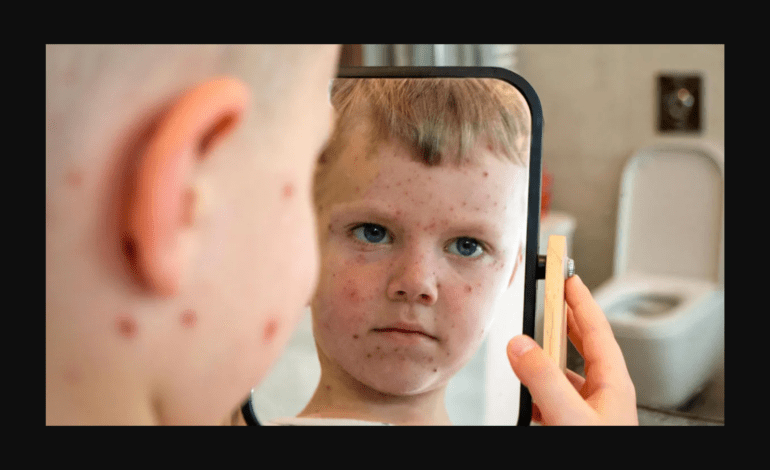
Measles cases surge across the U.S.: How to keep your child and family safe

By: Dr. Avi Verma
Measles, once eliminated in the United States in 2000, is re-emerging as a serious public health concern. Reports from the Centers for Disease Control and Prevention (CDC) indicate that, as of April 2025, there have been 800 confirmed cases across 25 states, including Illinois, signaling a sharp rise compared to previous years. Children and unvaccinated individuals are at the greatest risk of exposure.
Why measles is a threat
Measles, also known as rubeola, is one of the most contagious viruses known. It spreads through respiratory droplets from coughing, sneezing, talking, or even laughing. The virus can remain airborne for up to 90 minutes after an infected person leaves a room. Unvaccinated individuals have a 90% chance of contracting the virus if exposed.
Symptoms typically appear 10–14 days after exposure and include fever, dry cough, nasal congestion, sore throat, conjunctivitis, Koplik’s spots in the mouth, and a characteristic rash that spreads from the face to the torso and limbs. High fever may reach 104°F (40°C), and in rare cases, serious complications such as pneumonia, encephalitis, or blindness can occur. The CDC estimates that 1–3 of every 1,000 children infected may die from measles-related complications globally.
Vaccination: The best defense
The measles, mumps, and rubella (MMR) vaccine is the most effective protection. Recommended in two doses—first at 12–15 months and second at 4–6 years—the vaccine is 97% effective. Vaccination not only protects your child but also contributes to herd immunity, which requires 95% of the population to be immunized.
“Without widespread vaccination, we risk outbreaks of measles and other preventable diseases,” warns Jennifer Burns, APRN, pediatric infectious disease specialist with the Chicagoland Children’s Health Alliance. “The measles virus weakens the immune system and can cause severe complications, especially in children under 5 and adults.”
What to do if exposed
Unvaccinated individuals who are exposed must quarantine for 21 days from the time of exposure. Vaccinated individuals are generally protected and do not need to quarantine.
Global and historical context
Prior to the vaccine’s introduction in 1963, nearly all children contracted measles by age 15, leading to 400–500 deaths and 48,000 hospitalizations annually in the U.S. The introduction of the MMR vaccine eliminated endemic measles by 2000. However, outbreaks continue to occur, particularly among unvaccinated populations, as seen in the 2019 outbreak with over 1,200 cases in 31 states.
Protecting your child and community
Parents are urged to review their children’s vaccination records and consult healthcare providers to ensure timely immunization. The CDC and local health departments are actively educating communities about the importance of the MMR vaccine in preventing the spread of this highly contagious disease.
Disclaimer: This article is for informational purposes only and shou