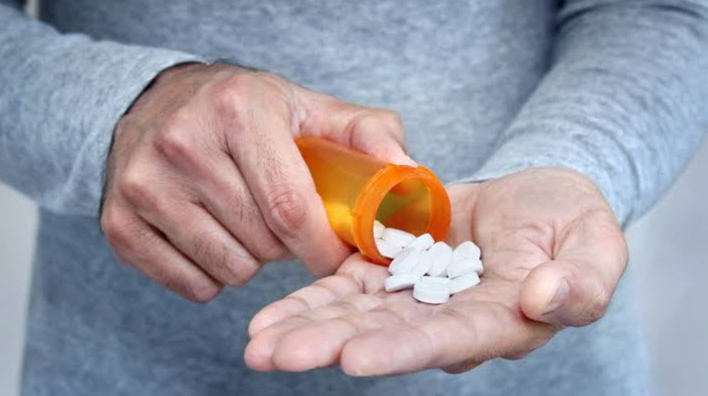
Part 9 – Medicines after 50: Taking the right medicine the right way

HEALTHY AGING, HEALTHY LIVING SERIES
Understanding Medication Changes with Age, Polypharmacy, Drug Interactions and Safer Medication Management
By: Dr. Avi Verma
IndoUS Tribune – Health Corner
In the earlier installments of our Healthy Aging, Healthy Living series, we explored the importance of heart health, brain function, physical activity, nutrition, quality sleep and a strong immune system in maintaining a longer, healthier and more independent life. Another critical aspect of healthy aging is the safe and effective use of medications. As we grow older, changes in our bodies can affect how medicines are absorbed, processed and eliminated. At the same time, managing multiple prescriptions, over-the-counter (OTC) medicines and supplements can increase the risk of harmful interactions. Understanding these changes and reviewing medications regularly can help ensure that the treatments intended to protect our health do not create additional problems.
Why Your Body Processes Medications Differently After 50
A medication that worked well at age 35 may have a stronger or longer-lasting effect at 55 or 70. Three age-related changes help explain why:
- Slower liver and kidney function: Reduced blood flow to these organs can slow medication breakdown and elimination, allowing drugs to remain in the bloodstream longer.
- Changes in body composition: Body water generally decreases while body fat increases. Water-soluble medicines may become more concentrated, while fat-soluble drugs may remain in body tissues longer.
- Increased sensitivity: The aging nervous system may become more sensitive to medicines that cause drowsiness, dizziness or confusion, increasing the risk of falls and memory problems.
Polypharmacy: When More Medicines Mean More Risks
Polypharmacy generally refers to regularly taking five or more medications, including prescriptions, OTC products and supplements. Although multiple medicines may be necessary to manage conditions such as diabetes, heart disease and arthritis, unnecessary prescriptions can create complications.
One concern is the prescribing cascade. This occurs when a side effect from one medication is mistaken for a new medical condition, prompting another prescription. The second medication may then produce additional side effects, leading to even more treatment.
The result can be a growing medication list that treats problems caused partly by other medications.
Understanding Hidden Drug Interactions
Combining medications, supplements and certain foods can produce unexpected effects. Important interactions include:
- Drug–drug interactions: Some antidepressants, when combined with blood thinners or aspirin, can increase bleeding risks.
- Drug–disease interactions: Oral decongestants such as pseudoephedrine can raise blood pressure and may be unsuitable for people with hypertension.
- Drug–supplement interactions: Ginkgo biloba, high-dose fish oil and vitamin E may increase bleeding risks when combined with blood-thinning medications such as warfarin.
- Drug–food interactions: Grapefruit juice can interfere with enzymes that break down certain cholesterol and blood pressure medications, potentially increasing drug levels.
OTC Medicines and Supplements Are Not Always Harmless
Many people assume that products available without prescriptions are automatically safe. However, supplements are not subject to the same premarket safety and effectiveness requirements as prescription medications.
Common products deserve particular attention:
- NSAIDs: Frequent use of ibuprofen and naproxen can irritate the stomach, increase blood pressure and affect kidney function.
- Diphenhydramine: Found in many allergy medications and nighttime sleep aids, it can cause confusion, dry mouth, urinary retention and next-day drowsiness.
- Fat-soluble vitamins: Vitamins A, D, E and K can accumulate in the body. Excessive intake may lead to harmful levels.
Always discuss regular OTC and supplement use with your healthcare provider.
The Importance of Regular Medication Reviews
A comprehensive medication review with a physician or pharmacist at least once a year—and after a hospitalization or major health change—can identify unnecessary medications, duplication and potentially harmful interactions.
Healthcare professionals may use the American Geriatrics Society Beers Criteria, which identifies medications that may carry increased risks for older adults.
They may also recommend deprescribing, a supervised process of reducing doses or discontinuing medications when their risks outweigh their benefits.
Five Practical Steps to Take Medicines Safely
- Maintain a complete medication list: Include prescriptions, pain relievers, vitamins, supplements, eye drops and herbal products. Bring the list or actual bottles to appointments.
- Use one pharmacy whenever possible: A single pharmacy can help identify interactions among prescriptions from different healthcare providers.
- Never stop or split medications independently: Some medicines require gradual dose reduction, while crushing extended-release tablets can release too much medication at once.
- Ask three questions about every new prescription: What is it for? How and when should I take it? What side effects should I watch for?
- Use reminders and organizers: Weekly pillboxes, smartphone alarms and pharmacy-prepared medication packs can help prevent missed or duplicate doses.
Looking Ahead: The Final Part of Our Series
Taking medications safely is an essential part of healthy aging, but medication management is only one component of preventive healthcare. Regular screenings, appropriate vaccinations, routine medical examinations and early identification of health risks are equally important.
In Part 10, the final installment of IndoUS Tribune’s Healthy Aging, Healthy Living series, we will discuss Preventive Medicine: The Health Checklist for Every Age. We will examine important health screenings, routine examinations, vaccinations and preventive measures that can help individuals identify potential problems early, reduce disease risks and maintain health and independence throughout life.
Medical Disclaimer: This article is intended for general educational and informational purposes only. It is not a substitute for professional medical advice, diagnosis or treatment. Consult your physician or another qualified healthcare professional regarding medical conditions, medications, dietary changes or screening recommendations. Do not begin, stop or change any medication without professional medical guidance. In a medical emergency, seek immediate medical attention.