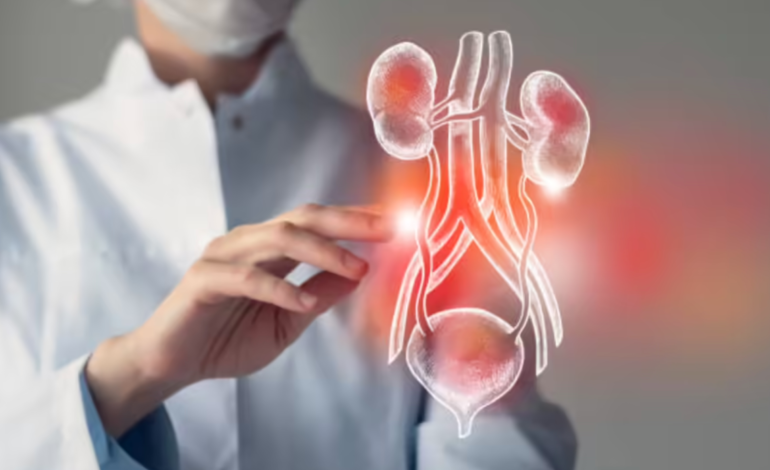
A transformative step toward universal kidney transplants

By: Dr. Avi Verma
A promising breakthrough in transplant science may significantly reduce wait times and expand access to life-saving kidney transplants. Researchers from University of British Columbia in Canada, working in collaboration with Avivo Biomedical, have developed a method that can potentially make donor kidneys universally compatible across blood types.
The findings were published in Nature Biomedical Engineering, a leading peer-reviewed journal in translational medicine.
The challenge: Blood type compatibility in organ transplants
One of the major barriers in kidney transplantation is ABO blood group compatibility. Patients with blood type O, for example, can donate to others but can only receive kidneys from type O donors. Conversely, individuals with type AB can receive from all groups but are rarer donors.
This incompatibility leads to:
- Longer transplant waiting lists
- Increased risk of organ rejection
- Wasted viable donor organs
- Higher mortality for patients with rare blood types
In many countries, including the United States and Canada, kidney patients can wait years for a compatible donor.
The breakthrough: Converting blood Type A to universal Type O
The research team led by Stephen Withers and Jayachandran Kizhakkedathu developed specialized enzymes capable of removing blood type A antigens from the surface of donor kidneys.
How it works
- Blood type differences are determined by specific sugar molecules (antigens) present on cell surfaces.
- Type A kidneys carry A antigens.
- The engineered enzymes selectively strip these A antigens from the organ tissue.
- Once removed, the kidney effectively resembles Type O, the universal donor type.
This enzymatic process is performed during normothermic machine perfusion, where a donor kidney is maintained outside the body under near-physiological conditions, allowing treatment before transplantation.
In preclinical testing, researchers demonstrated that treated kidneys showed a dramatic reduction in antibody binding, suggesting they could be transplanted into recipients of different blood types with significantly reduced risk of rejection.
Why this matters
If validated in human clinical trials, this technology could:
- Expand the donor pool
- Reduce transplant wait times
- Improve organ allocation fairness
- Decrease organ discard rates
- Save thousands of lives annually
Patients with blood type O—who typically face the longest waiting periods—may particularly benefit.
A step toward more inclusive organ donation
The concept of modifying donor organs rather than suppressing recipient immunity marks a paradigm shift in transplantation science. Instead of intensifying lifelong immunosuppression, this approach addresses incompatibility at its biological source.
While the current research focused on Type A kidneys, future refinements may extend to other blood groups and potentially other organs such as hearts or lungs.
What comes next?
Although the laboratory and ex-vivo perfusion results are highly encouraging, clinical trials in human transplant recipients are still needed before widespread adoption. Regulatory approval, long-term safety data, and cost-effectiveness analyses will determine how quickly this innovation can move from research to routine medical practice.
Experts suggest that if successful, this advancement could represent one of the most important milestones in transplant medicine in decades.
A hopeful future for kidney patients
Chronic kidney disease affects millions worldwide, and transplantation remains the gold standard treatment for end-stage renal failure. Innovations like this bring hope to patients and families navigating the uncertainty of transplant waitlists.
By potentially making kidneys “universally compatible,” Canadian scientists are moving us closer to a future where biology no longer limits lifesaving care.
Disclaimer
This article is for informational purposes only and is not intended as medical advice. The described research is based on preclinical findings and requires further human clinical trials and regulatory approval before becoming an established treatment. Patients should consult qualified healthcare professionals regarding transplant eligibility and medical decisions.