India–EU FTA emerges as ‘game-changer’ for strategic and economic partnership

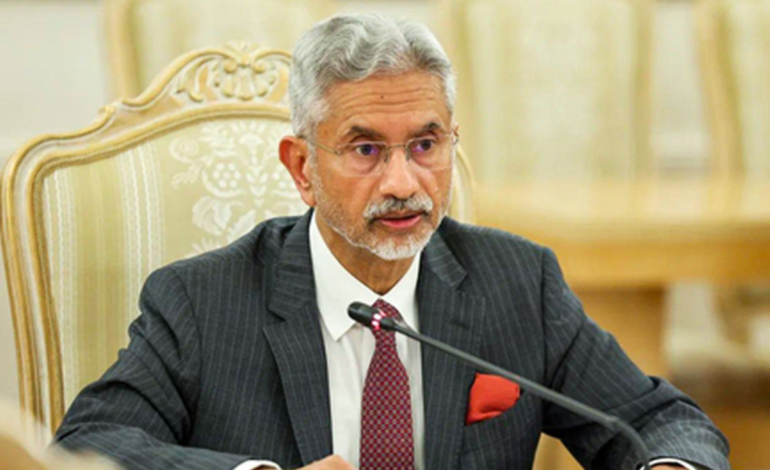
External Affairs Minister S. Jaishankar on Friday hailed the newly concluded India–European Union Free Trade Agreement (FTA) as a “game-changing development” that is set to reshape bilateral economic and strategic ties. Speaking at the inaugural India–EU Forum in New Delhi, Jaishankar emphasized that the agreement marks a decisive shift toward deeper, more structured engagement between the two sides.
He underscored that beyond trade, the partnership holds vast potential in security, defense, climate action, technology collaboration, and talent mobility. Sharing his remarks on X, Jaishankar said the FTA has transformed the trajectory of India–EU relations and expressed hope that the forum would foster sustained dialogue and policy convergence.
The minister’s comments followed the formal conclusion of negotiations on January 27, when Prime Minister Narendra Modi, European Council President Antonio Costa, and European Commission President Ursula von der Leyen jointly announced the landmark deal at the 16th India–EU Summit. In a joint statement, the leaders described the FTA as a historic milestone that would significantly boost trade, attract investments, strengthen supply chain resilience, and promote sustainable, inclusive growth.
Both sides reaffirmed their commitment to a rules-based multilateral trading system under the World Trade Organization (WTO). They called for comprehensive reforms to make the WTO more effective, transparent, and responsive to the needs of developing and emerging economies.
Against a backdrop of geopolitical tensions and global economic disruptions, India and the EU stressed that closer economic integration is critical for job creation, green transition, industrial competitiveness, and secure supply chains. They pledged to work toward the full implementation of the FTA while fast-tracking negotiations on an Investment Protection Agreement (IPA) and an Agreement on Geographical Indications (GIs).
Additionally, leaders agreed to scale up bilateral investments and explore cooperation under the “Blue Valleys” initiative, aimed at strengthening key value chains through private-sector participation. The emerging framework signals a long-term, mutually beneficial partnership that blends economic pragmatism with strategic alignment.