US sets June deadline for Ukraine-Russia peace talks

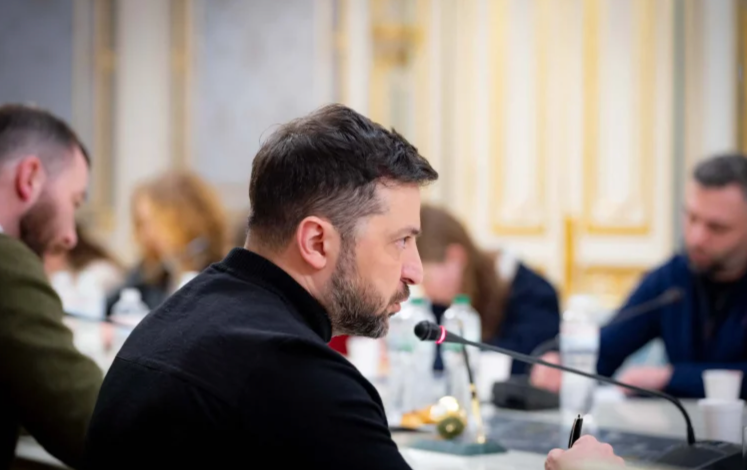
The United States has set a June deadline for Ukraine and Russia to reach a negotiated settlement to end the nearly four-year war, Ukrainian President Volodymyr Zelenskyy disclosed on Friday. Speaking in Kyiv, Zelenskyy said Washington wants the conflict concluded “by the beginning of summer” and is likely to apply pressure on both sides to meet this timeline. He added that the Trump administration has proposed a fresh round of trilateral talks in Miami next week, which Ukraine has agreed to attend.
The deadline follows recent US-mediated negotiations in Abu Dhabi involving American, Ukrainian, and Russian representatives. While the talks produced limited progress on core political issues, they resulted in a significant humanitarian breakthrough: a prisoner-of-war exchange in which both sides released 157 detainees on February 5. Zelenskyy confirmed that further swaps would continue under the emerging framework.
Despite diplomatic engagement, battlefield realities remain grim. Zelenskyy reported that Russia launched more than 400 drones and around 40 missiles overnight, targeting Ukraine’s energy infrastructure. He accused Moscow of weaponizing winter by striking power facilities while simultaneously participating in peace talks. Ukrainian officials say Russian attacks on energy sites have intensified since mid-January, leaving hundreds of thousands without electricity or heating.
Kyiv maintains that any peace deal cannot involve territorial concessions. Ukraine’s constitution prohibits ceding the eastern Donbas region—comprising Donetsk and Luhansk—which Russia continues to demand as a precondition for peace. The Kremlin insists Ukraine must withdraw from these heavily industrialized areas, a stance Kyiv rejects outright.
US Special Envoy Steve Witkoff, who led the Abu Dhabi talks alongside Jared Kushner, described the negotiations as “constructive but unfinished.” He argued that the prisoner exchange showed diplomacy could yield tangible results, even as major disagreements persist.
At the same time, Washington is tying peace efforts to broader security considerations. US officials have signaled that supply chain resilience, sanctions policy, and future military aid could be influenced by how quickly both sides engage in serious negotiations.
Meanwhile, Russia claims talks are moving in a “positive direction,” but continues large-scale military operations. On February 3, Moscow launched one of its biggest aerial assaults of the war, firing 71 missiles and 450 drones at Kyiv and Kharkiv. Ukraine’s air defense intercepted only 38 missiles, many of which were ballistic and difficult to neutralize.
With fighting raging and diplomacy accelerating, the next few months may prove decisive. Whether the June deadline becomes a genuine pathway to peace—or simply another missed milestone—will depend on whether Washington’s pressure, battlefield dynamics, and diplomatic engagement can finally align.