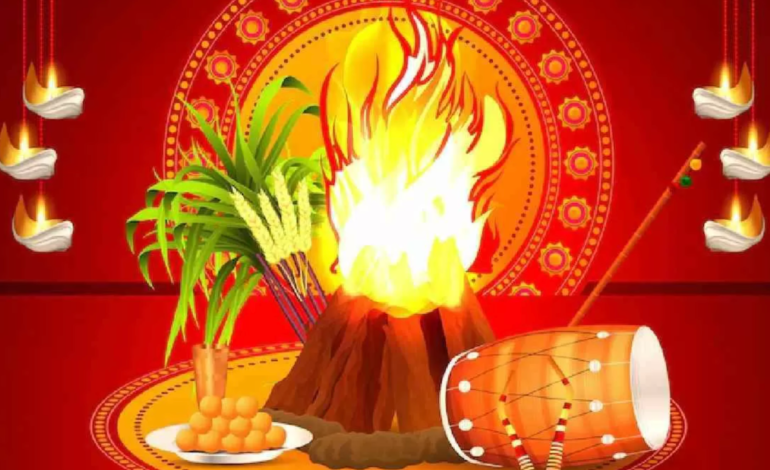
Celebrating new beginnings on the auspicious occasion of Lohri, Makar Sankranti and Pongal

By: Dr Avi Verma
As the calendar turns toward mid-January, the IndoUS Tribune team extends its heartfelt congratulations and warm wishes to the Indian community across the globe on the joyous occasions of Lohri, Makar Sankranti, and Pongal. These vibrant harvest festivals, celebrated across different regions of India and by the Indian diaspora worldwide, beautifully reflect India’s cultural diversity while sharing a common spiritual and agricultural essence—gratitude to nature, reverence for the Sun, and celebration of new beginnings.
Lohri, primarily celebrated in North India—especially Punjab, Haryana, Delhi, and parts of Himachal Pradesh—marks the end of winter and the arrival of longer, warmer days. Observed on the eve of Makar Sankranti, Lohri is deeply rooted in agrarian life, celebrating the harvest of rabi crops such as wheat and sugarcane. Bonfires light up neighborhoods as families and communities gather to offer sesame seeds, peanuts, popcorn, jaggery, and sugarcane to the sacred fire, symbolizing purification, prosperity, and gratitude to Agni (Fire God) and Surya (Sun God). Traditional folk songs honoring Dulla Bhatti, energetic Bhangra and Gidda, and the sharing of festive foods create an atmosphere of joy and renewal. Lohri also holds special significance for newborns and newlyweds, marking auspicious beginnings and the continuity of life.
Makar Sankranti, celebrated across India under different names, is a pan-Indian festival with deep astronomical, mythological, and spiritual significance. It marks the Sun’s transition into Makara (Capricorn) and the beginning of Uttarayana, the Sun’s northward journey—considered a highly auspicious period in Hindu belief. Ancient scriptures describe this phase as the “day of the gods,” symbolizing enlightenment, positivity, and spiritual awakening. Mythologically, the day is associated with Bhishma Pitamah’s departure in the Mahabharata, the descent of the holy Ganga by King Bhagiratha, and the reconciliation between Surya and his son Shani, emphasizing forgiveness and harmony.
Celebrations vary regionally: kite flying fills the skies in Gujarat; holy river dips are performed in Uttar Pradesh, Bihar, and West Bengal; sesame- and jaggery-based sweets like tilgul are exchanged in Maharashtra; and community feasts bring people together across the country. In 2026, Makar Sankranti falls on January 14, coinciding with Shattila Ekadashi, further enhancing its spiritual importance.
Pongal, the grand harvest festival of Tamil Nadu, is a four-day celebration dedicated to expressing gratitude to nature, the Sun God, the earth, and farm animals. The festival begins with Bhogi Pongal, symbolizing renewal and letting go of the old; Thai Pongal, where freshly harvested rice is cooked with milk and jaggery until it overflows—signifying abundance; Mattu Pongal, honoring cattle for their role in agriculture; and Kaanum Pongal, a day for family bonding and social gatherings. Mythological stories involving Lord Krishna and Indra and Lord Shiva and Nandi reinforce values of humility, gratitude, and harmony with nature.
What makes Lohri, Makar Sankranti, and Pongal especially meaningful today is their global celebration. From the United States, Canada, and the United Kingdom to Australia, the Middle East, Southeast Asia, and Africa, Indian communities recreate the warmth of these festivals through cultural programs, temple celebrations, community bonfires, kite-flying events, and traditional feasts. These celebrations not only preserve cultural roots but also serve as bridges of understanding, introducing global audiences to India’s rich heritage, agricultural wisdom, and spiritual philosophy.
At their core, all three festivals celebrate the harvest, the Sun’s life-giving energy, and the spirit of thanksgiving. They remind us of humanity’s deep connection with nature, the dignity of farmers’ labor, and the importance of community, compassion, and renewal. In a fast-paced modern world, these age-old traditions continue to inspire balance, gratitude, and hope.
On behalf of the IndoUS Tribune team, we extend our warmest wishes to Indians and friends of India worldwide. May Lohri’s fire burn away negativity, may Makar Sankranti’s sun illuminate our paths with wisdom and harmony, and may Pongal’s abundance bring prosperity, health, and happiness to every home.
Happy Lohri, Happy Makar Sankranti, and Iniya Pongal Vazhthukkal!