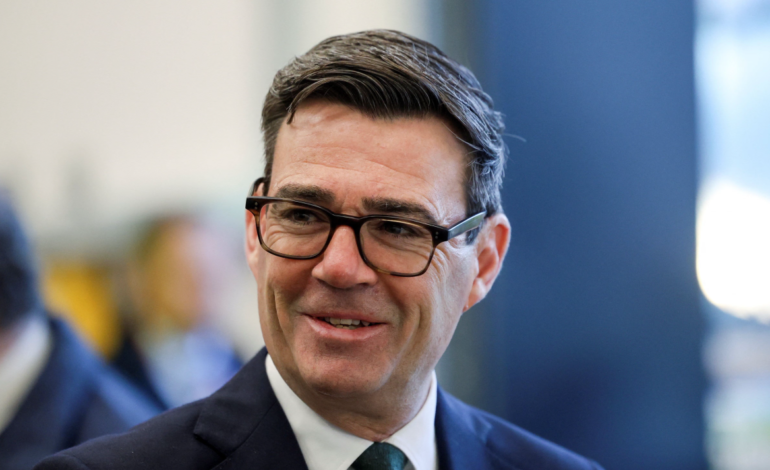
UK PM Andy Burnham calls for discussion on return to EU freedom of movement

British Prime Minister Andy Burnham has called for an “honest discussion” about the possibility of restoring freedom of movement for European Union workers, reopening a sensitive debate that played a central role in the United Kingdom’s 2016 Brexit referendum.
In an interview with The Sunday Times published on October 19, Burnham said Britain needed to reconsider how immigration had changed since leaving the EU. He acknowledged that the arrival of European workers before Brexit had created challenges but suggested that migration patterns at the time differed from those seen today.
“Revolving door migration where people would come and then go back is different,” Burnham said, arguing that the balance of migration had changed since Brexit.
Freedom of movement allowed EU citizens to live and work in other member states without requiring the same immigration permissions that apply to many non-EU nationals. Concerns about immigration were among the major issues in the 2016 referendum, when British voters narrowly chose to leave the bloc.
A decade later, Burnham has indicated that the UK should examine the broader consequences of Brexit and consider its long-term relationship with the EU. He has previously argued that leaving the bloc did “more harm than good” and suggested that Britain could consider rejoining the EU in the future.
Burnham said any discussion about freedom of movement should be part of a wider review of cooperation with Brussels, including migration data sharing and security arrangements. He specifically highlighted the loss of access to Eurodac, the EU system used to collect and compare fingerprints in certain asylum and migration procedures.
Official figures from the UK Office for National Statistics showed that long-term net migration fell to 171,000 in 2025, down from 331,000 in 2024, amid tighter immigration policies.
Burnham’s remarks drew criticism from Nigel Farage, leader of the anti-immigration Reform UK party, who described the proposal as a “total betrayal of Brexit Britain.”
The prime minister is expected to meet senior EU officials at a summit scheduled for November 20, as his government seeks closer cooperation with the bloc and measures to strengthen the British economy.