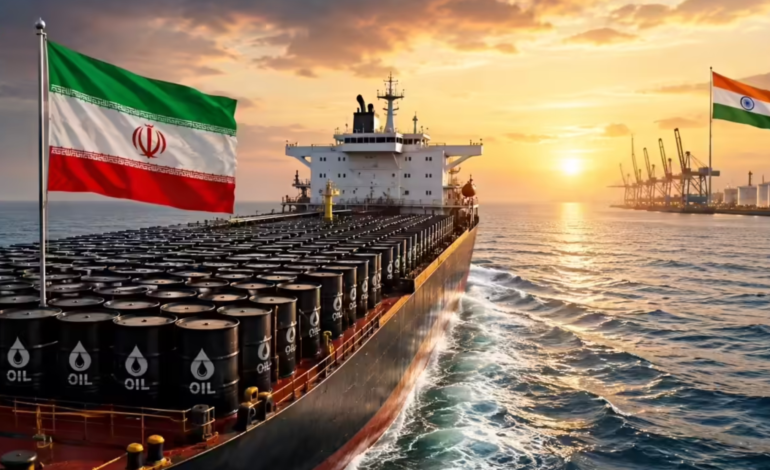
Iran oil returns, but Indian refiners likely to stay cautious

A 60-day US sanctions waiver allowing the production, sale, and transport of Iranian oil has reopened the possibility of Indian refiners importing crude from Iran after years of restrictions. The waiver, valid until August 21, has prompted Iran’s National Iranian Oil Company (NIOC) to reach out to international buyers, including Indian refiners, to revive commercial ties.
Industry sources say Indian companies are evaluating the technical and commercial feasibility of processing Iranian crude. While some opportunistic cargo purchases are expected during the waiver period, experts do not anticipate a major increase in imports.
The primary concern remains uncertainty beyond the temporary sanctions relief. Refiners are closely watching whether payment systems, insurance arrangements, shipping logistics, and banking channels become easier to access. Although the waiver permits payments for Iranian oil transactions, Iran’s financial sector continues to face US sanctions, creating compliance challenges for buyers.
Analysts note that Indian refiners generally avoid transactions that could expose them to secondary US sanctions. As a result, compliance departments are expected to play a decisive role in determining whether purchases move forward.
Another challenge is competition from China, which has remained Iran’s dominant oil customer through established payment and logistics networks. If Iranian oil becomes more widely available, Chinese buyers are expected to continue purchasing significant volumes, potentially reducing discounts that previously made Iranian crude attractive.
India imported limited quantities of Iranian oil earlier this year under a previous waiver, suggesting refiners remain cautious despite opportunities. Additionally, India has diversified its crude import basket in recent years, reducing dependence on any single supplier.
Experts believe future Iranian oil purchases will depend largely on the terms offered by Tehran and whether the US extends sanctions relief. Until greater policy certainty emerges, Indian refiners are likely to limit their exposure and focus on short-term opportunities rather than long-term commitments.