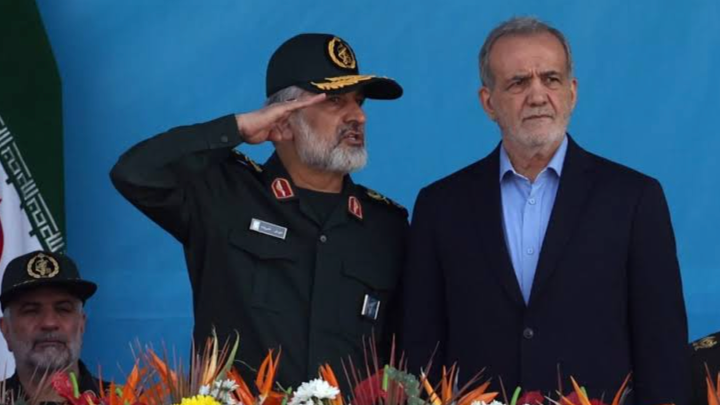
Iran rejects transfer of enriched uranium abroad, warns US against further strikes

Iran will not allow any of its enriched nuclear material to be transferred outside the country, security chief Mohsen Rezaei has said, reaffirming Tehran’s position amid continuing tensions with Washington over its nuclear programme.
Speaking in a televised interview with Lebanon-based Al Mayadeen TV, Rezaei said Iran intended to retain control of its enriched uranium and use it domestically. He also warned that any fresh U.S. military strikes against Iran would invite retaliation against American military bases in the region.
“Not even a single particle” of enriched nuclear material would be allowed to leave Iran, Rezaei said. He added that Tehran had communicated its position to Moscow, rejecting proposals that would involve transferring its uranium stockpile to another country.
Rezaei claimed that Iran needed enriched nuclear material for developing nuclear-powered ships and submarines. Russia has previously offered to take custody of Iranian uranium as part of a possible agreement aimed at addressing international concerns over Tehran’s nuclear activities. However, Moscow has maintained that the final decision rests with Iran.
The International Atomic Energy Agency (IAEA) estimated that Iran possessed 440.9 kilograms of uranium enriched to 60% before Israeli and U.S. strikes on Iranian nuclear facilities in June 2025. This enrichment level is significantly higher than what is generally required for civilian nuclear energy. The current status and quantity of the remaining material are unclear.
Nuclear issue remains central to US-Iran tensions
Rezaei said there were currently no negotiations underway between Tehran and Washington. His remarks came after U.S. officials played down the prospect of further military action, amid indications of a more conciliatory tone from President Donald Trump following the November 3 midterm elections.
Washington has maintained that Iran’s nuclear programme must be addressed in any initial negotiations aimed at ending the conflict between the two countries.
Last week, a senior Iranian official told Reuters that Tehran had sent Washington a nuclear proposal through Qatar. Iran reportedly wants the United States to meet seven demands before discussions on the proposal can proceed.
The United States, Israel and several Western governments have long accused Iran of pursuing nuclear weapons capability. Tehran continues to deny seeking a nuclear weapon and insists its nuclear programme serves peaceful purposes.
Rezaei’s latest comments underline the significant differences between the two sides over uranium enrichment, nuclear material transfers and security guarantees, leaving prospects for a diplomatic breakthrough uncertain.