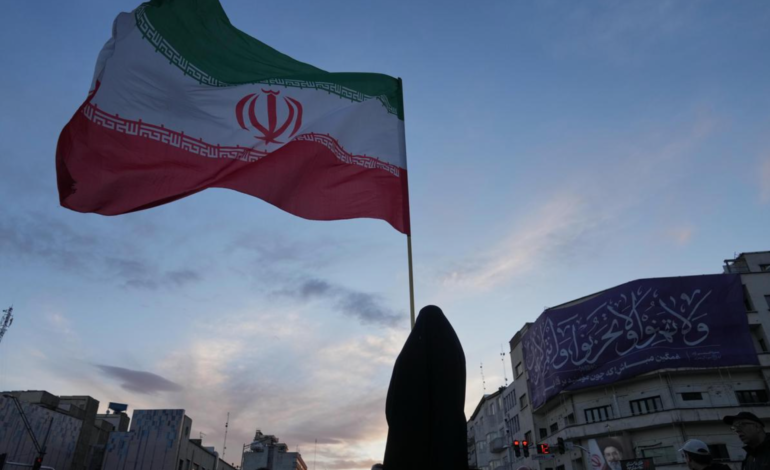
Iran rejects ceasefire proposal as Trump calls it a ‘significant step’

Iran has rejected a proposed temporary ceasefire in the ongoing conflict, insisting instead on a permanent end to hostilities, even as U.S. President Donald Trump described the proposal as a “very significant step.”
According to Iran’s state-run IRNA news agency, Tehran conveyed its response through Pakistan, which has emerged as a key mediator in the crisis. Iranian officials emphasized that they would not accept a short-term ceasefire in exchange for reopening the strategically vital Strait of Hormuz.
A senior Iranian official told Reuters that Tehran views Washington as lacking genuine commitment to a lasting peace agreement. The official added that Iran would not be pressured into accepting deadlines or conditions imposed externally, particularly amid ongoing military escalation.
President Trump, speaking ahead of a scheduled press conference, confirmed that the United States had reviewed a proposal for a 45-day ceasefire. While acknowledging it as a “significant step,” he said the proposal was “not good enough” and indicated that Washington had not approved it. The White House also confirmed that Trump had not signed off on the plan and that military operations were continuing.
The rejection comes amid heightened tensions following Trump’s earlier ultimatum demanding that Iran either make progress toward a deal or reopen the Strait of Hormuz, a crucial global oil shipping route. Iran has firmly resisted linking the reopening of the strait to any temporary truce.
Meanwhile, the conflict continues to intensify on the ground. Israel’s military announced that it had carried out a new wave of strikes targeting what it described as “regime targets” in Tehran. According to initial reports, at least 25 people were killed in the attacks.
The latest developments highlight the widening gap between the two sides’ positions. While Washington appears open to interim measures to de-escalate tensions, Tehran is pushing for a comprehensive resolution that guarantees a permanent cessation of hostilities.
Diplomatic efforts led by regional intermediaries, including Pakistan, remain ongoing, but prospects for an immediate breakthrough appear uncertain. Analysts warn that the continued stalemate, combined with active military operations, risks further destabilizing the region.
As both sides hold firm, the coming hours are seen as critical in determining whether negotiations can gain traction or if the conflict will escalate further.