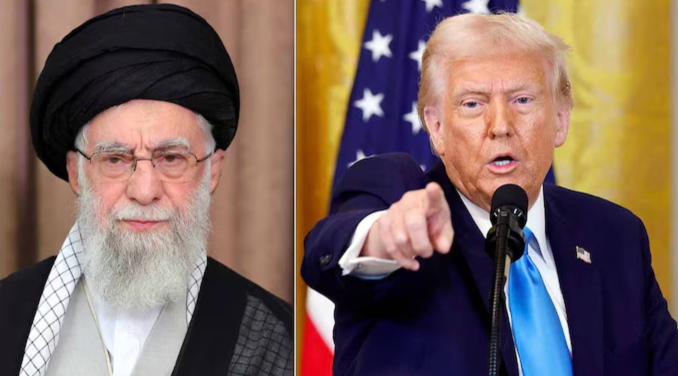
Iran rejects US war proposal, sets five conditions for ceasefire

Iran has rejected a United States proposal to end the ongoing conflict, declaring that any ceasefire will occur strictly on its own terms and timeline, according to official reports.
A senior political-security official, cited by state-linked media, said Tehran would not allow U.S. President Donald Trump to dictate the course or conclusion of the war. “Iran will end the war when it decides and when its conditions are met,” the official said, adding that military operations would continue until then.
The rejection comes amid ongoing diplomatic outreach from Washington through multiple intermediaries. However, Iranian officials have dismissed these efforts as “excessive” and disconnected from what they describe as U.S. setbacks on the battlefield.
Tehran has also expressed deep mistrust of past negotiations, alleging that earlier rounds of dialogue in 2025 were used as a cover for subsequent military actions. The latest proposal, reportedly delivered via a regional intermediary, has been characterized by Iran as a tactic to intensify pressure rather than resolve the conflict.
According to the report, Iran has outlined five key conditions for agreeing to a ceasefire:
- A complete halt to military “aggression and assassinations” by opposing forces
- Binding guarantees to prevent the resumption of war
- Firm commitments for compensation and war reparations
- A comprehensive end to hostilities across all fronts, including allied regional groups
- Formal recognition of Iran’s sovereignty over the Strait of Hormuz
Iran has made it clear that no negotiations will take place unless all these conditions are accepted in full. The official emphasized that the terms build upon earlier demands raised during talks held in Geneva shortly before the conflict escalated in late February.
“The end of the war will occur when Iran decides, not when Trump envisions it,” the official said, reinforcing Tehran’s firm stance.
The conflict, which began on February 28, has since escalated into a broader regional confrontation involving U.S. and Israeli forces. Iran claims the war was triggered by what it calls an “unprovoked and illegal” attack, including the assassination of top leadership figures.
In response, Iranian forces have reportedly launched multiple waves of strikes targeting U.S. and Israeli military assets across the region. Meanwhile, Washington continues efforts to rally regional allies and ensure safe maritime movement through the Strait of Hormuz, a vital artery for global energy supplies.
With both sides holding firm positions, prospects for a near-term ceasefire remain uncertain.