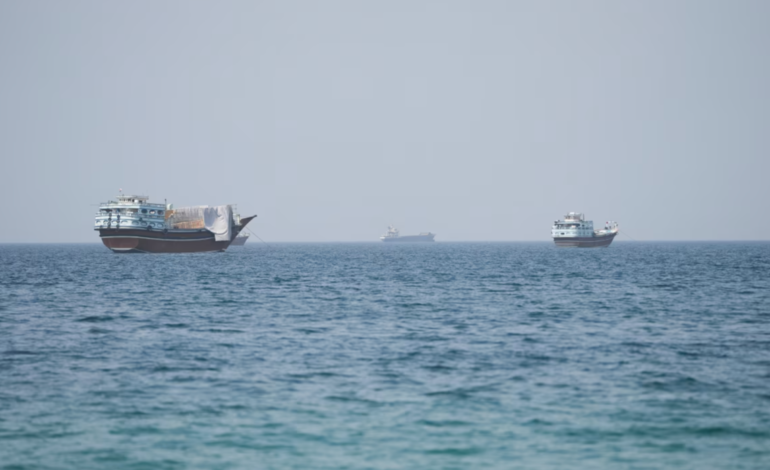
Iran offers to reopen Strait of Hormuz in two days if US accepts demands

Iran has said it is prepared to reopen the strategically important Strait of Hormuz within two days if the United States agrees to meet its conditions, raising hopes for a diplomatic breakthrough amid growing tensions and fears of renewed military conflict.
Iranian Foreign Ministry spokesperson Esmaeil Baqaei announced the proposal on Monday, describing it as a demonstration of Tehran’s good faith and willingness to pursue negotiations.
“The possibility of implementing this plan in two days is another indication of Iran’s good-faith approach,” Baqaei said during a press briefing. He added that restoring security in the strait and resuming negotiations could happen quickly if Washington accepted Iran’s demands.
The conditions include ending the war on all fronts, unfreezing Iranian assets, lifting oil sanctions and ending the US counter-blockade of Iranian ports. Iran has also called for a new transit arrangement with Oman to regulate shipping through the waterway.
Foreign Minister Abbas Araghchi said Washington must accept the proposed transit framework and reduce American military deployments in the region. He also called for the removal of sanctions imposed in recent months.
The announcement comes as diplomatic efforts intensify to prevent another round of fighting. Officials from Pakistan, Qatar, Saudi Arabia and Turkey have reportedly been involved in discussions with Tehran, while messages have also been exchanged between Iran and the United States through mediators.
Oman’s Sultan Haitham bin Tariq discussed the conflict with Chinese President Xi Jinping during a visit to Beijing on Monday. Both sides called for diplomatic solutions, a ceasefire and efforts to prevent further escalation.
China’s Foreign Minister Wang Yi also urged all parties to pursue a political settlement rather than return to armed conflict. He conveyed Beijing’s support for Iran in safeguarding its sovereignty and security during talks with Iranian official Ali Bagheri Kani.
However, diplomatic signals have been accompanied by increasingly aggressive rhetoric from Washington. US President Donald Trump warned Iran during a campaign rally in Iowa that Tehran could face a military response, saying that at some point the United States might have to give Iran “the hammer.”
Trump has also indicated that Washington still has one or two targets in Iran to address, including the suspected nuclear site at Pickaxe Mountain, which Tehran denies is a nuclear facility.
Baqaei responded by warning that any military attack against Iran would trigger a powerful, immediate and comprehensive response.
The Strait of Hormuz is one of the world’s most important energy shipping routes, normally handling approximately one-fifth of global oil consumption. Its disruption has contributed to rising energy prices and increased pressure on international markets.
With US midterm elections approaching on November 3, energy costs and inflation have also become significant political issues for the Trump administration.
Whether Washington will accept Tehran’s conditions remains uncertain. For now, Iran’s two-day proposal offers a possible diplomatic opening, but the gap between the two countries’ positions continues to threaten regional stability.