Iran’s control of Strait of Hormuz fuels renewed tensions with U.S.

A dispute over control of the strategically vital Strait of Hormuz has emerged as a key factor behind the collapse of the June 17 memorandum of understanding (MoU) between the United States and Iran, reigniting military tensions in the Gulf.
The MoU, which was intended to extend a ceasefire and pave the way for negotiations on Iran’s nuclear program and Western sanctions, is now unraveling. U.S. President Donald Trump has declared the ceasefire “over,” while Iran says parts of the agreement have been rendered ineffective by U.S. actions.
As part of the agreement, the United States reportedly made several concessions, including lifting its maritime blockade, issuing sanctions waivers for Iranian crude oil and petroleum products, and allowing Iran access to some of its previously frozen financial assets.
However, both sides now accuse each other of violating the agreement.
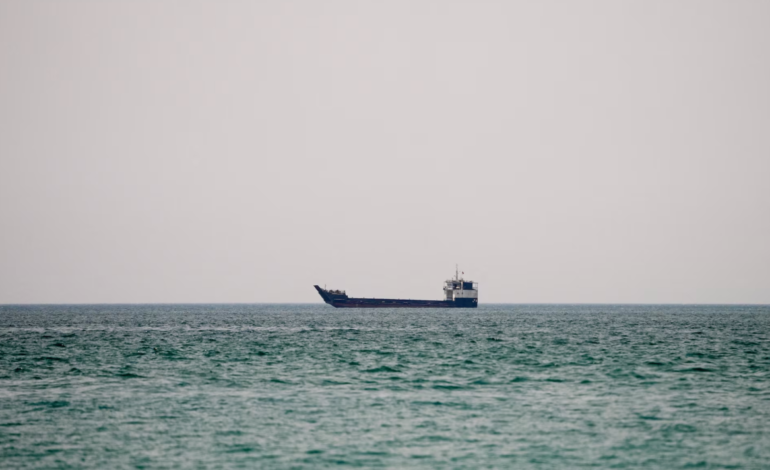
The immediate dispute centers on Article 5 of the MoU, which requires Iran to make arrangements for the safe passage of commercial vessels through the Strait of Hormuz—one of the world’s most important maritime trade routes and a critical corridor for global oil shipments.
According to reports, Iran designated a shipping corridor along its own coastline for commercial traffic. The United States, however, has directed commercial vessels toward an alternative route closer to Oman’s coast under U.S. naval protection. Tehran argues that the move violates the agreement and undermines its authority over navigation arrangements specified in the MoU.
The disagreement has coincided with renewed military exchanges. The United States has carried out airstrikes on hundreds of targets across Iran, while Tehran has responded by launching attacks on U.S. military bases in several Gulf countries and Jordan.
The Strait of Hormuz remains one of the world’s most strategically significant waterways, with a substantial share of global crude oil and liquefied natural gas exports passing through the narrow passage each day. Any disruption to shipping through the strait has the potential to affect global energy markets and international trade.
Analysts say Iran views maintaining influence over the Strait of Hormuz as both a strategic security priority and a powerful geopolitical lever, while the United States considers freedom of navigation through the waterway essential to regional stability and global commerce.