Japan successfully transmits electricity from space to Earth in clean energy breakthrough

Japan has reached a historic milestone in renewable energy as the Japan Aerospace Exploration Agency (JAXA) and its partners successfully transmitted usable electricity from space to Earth for the first time, advancing the long-promised concept of space-based solar power.
In a 2025 demonstration, JAXA beamed microwave energy from an orbiting solar array to a ground receiving station, where it was converted back into electricity. This marks the first successful transmission of practical power from orbit, validating decades of research into wireless energy transfer.
The achievement builds on earlier JAXA successes. In 2015, the agency wirelessly transmitted 1.8 kilowatts of power over 50 meters, proving core microwave transmission technology. Earlier, the IKAROS solar sail mission in 2010 demonstrated solar power generation using ultra-thin photovoltaic cells deployed in space.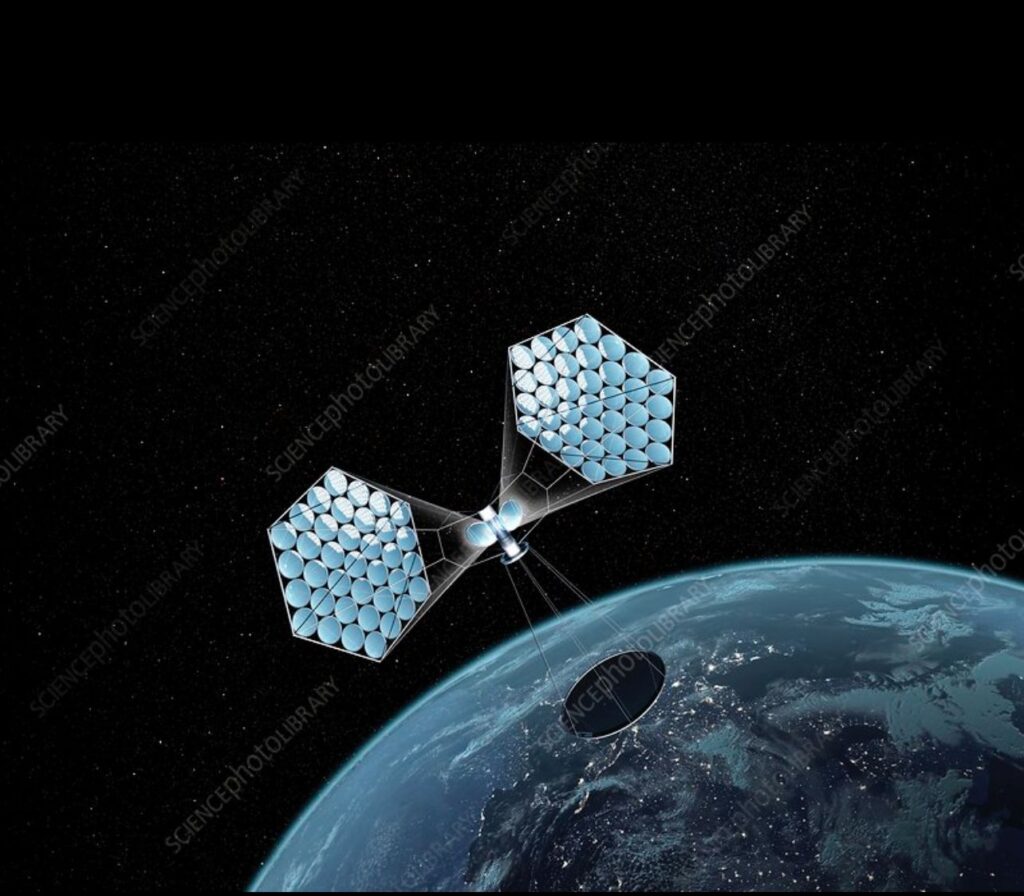
Complementing the orbital test, a separate 2025 experiment used a solar-powered drone to beam energy to a ground rectenna, achieving over 35 percent efficiency with the help of artificial-intelligence-based beam stabilization.
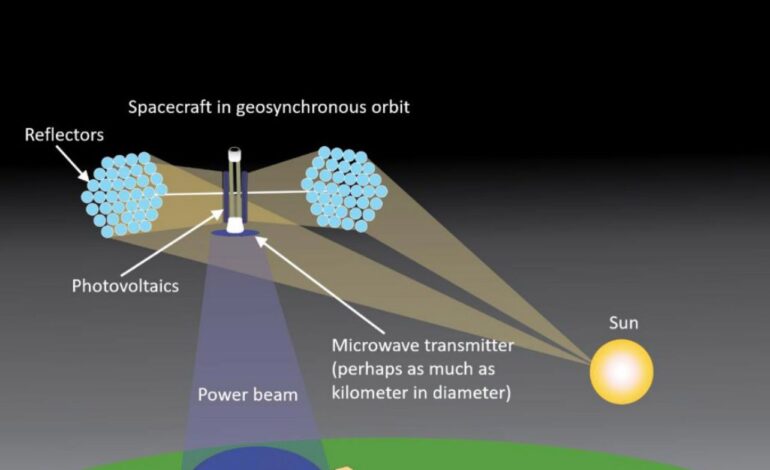
Space-based solar power systems work by collecting constant sunlight in orbit, converting it into microwaves, transmitting it wirelessly to Earth, and reconverting it into electricity. Unlike ground-based solar panels, orbital arrays are unaffected by weather or nightfall.
Experts say the technology could deliver continuous, carbon-free energy, strengthen energy security, supply remote or disaster-affected regions, and eventually supplement national power grids.
JAXA envisions large orbital power stations in the coming decades. With this breakthrough, Japan has positioned itself at the forefront of a transformative clean-energy technology with global implications.