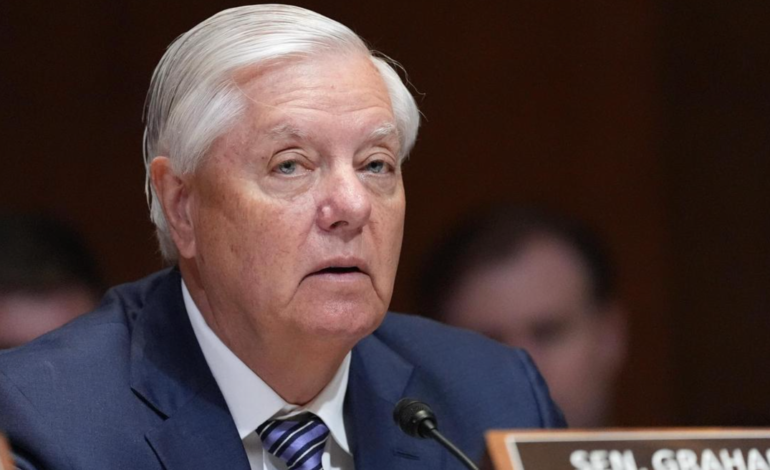
Pakistan’s role as mediator problematic, says U.S. Senator Lindsey Graham

Republican Senator Lindsey Graham has described Pakistan’s emerging role as a mediator in the ongoing U.S.-Iran conflict as “problematic,” raising concerns over Islamabad’s diplomatic positioning amid rising tensions in the Middle East.
Graham’s remarks came after Pakistan Defence Minister Khwaja Asif publicly stated that he does not support Pakistan joining the Abraham Accords — the U.S.-backed diplomatic initiative aimed at normalizing relations between Israel and several Arab nations through expanded economic, security, and political cooperation.
The U.S. senator also urged Pakistan to respond positively to President Donald Trump’s broader call for regional mediators and partners to support peace efforts connected to the U.S.-Iran conflict and Middle East stabilization initiatives.
The comments highlight growing scrutiny in Washington regarding Pakistan’s balancing act between regional powers, particularly as Islamabad has reportedly played a mediating role in indirect discussions involving Tehran and Washington following the recent escalation in hostilities.
Analysts say Graham’s statement reflects concerns among some American lawmakers over whether Pakistan can simultaneously maintain close ties with Iran while also positioning itself as a credible facilitator in U.S.-led diplomatic efforts.
The Abraham Accords remain a sensitive issue across parts of the Muslim world, with supporters viewing them as a pathway toward regional stability and economic integration, while critics argue they sideline broader Palestinian concerns.
Pakistan has historically maintained that it would not formally recognize Israel without progress toward a Palestinian state, a position reiterated by several Pakistani leaders over the years.
The latest remarks come amid continued uncertainty surrounding negotiations between the United States and Iran over ceasefire arrangements, sanctions relief, maritime security, and the future of regional diplomatic engagement.