Native American tribes urge Congress to boost policing and prevention programs

Native American tribal leaders and child welfare advocates have urged the U.S. Congress to strengthen law enforcement and expand prevention programs in Indian Country, warning that chronic understaffing and fragmented services are leaving Native children and families dangerously vulnerable.
Appearing before the Senate Indian Affairs Committee, witnesses supported a proposed Native Children’s Commission Implementation Act, which seeks to modernize tribal justice systems, improve victim services, and provide tribes with greater flexibility in prevention funding.
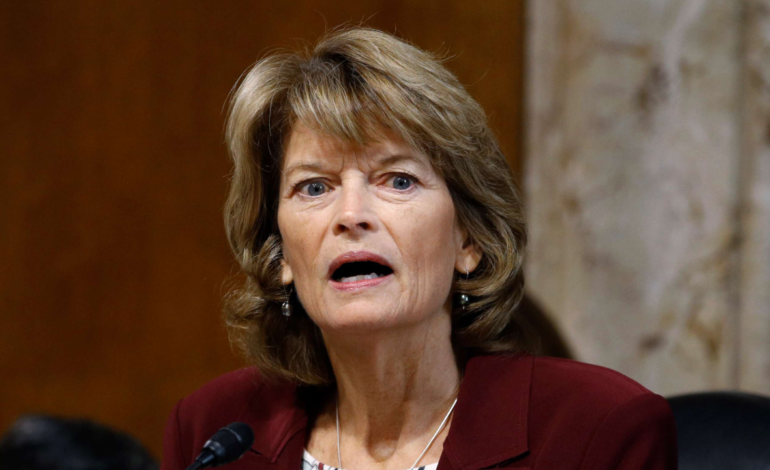
Committee Chair Lisa Murkowski said lawmakers were focusing on Title II of the draft bill, which prioritizes public safety, juvenile justice, and family protection. She noted that years of oversight have revealed persistent gaps in policing, social services, and interagency coordination across tribal lands.
Murkowski stressed that families lacking access to coordinated community services are more likely to become entangled in the criminal justice system. She said the legislation aims to strengthen collaboration among tribal, state, and federal agencies while investing in prevention initiatives related to domestic violence, juvenile justice, and missing Indigenous children.
A centerpiece of the bill is the Tiwahe model — a culturally grounded, community-based framework that allows tribes to design locally tailored programs. Under the proposal, Tiwahe would be formally codified in federal law and expanded nationwide. The bill would also establish a Tribal Advisory Committee on Juvenile Justice, mandate a federal study on missing Native children, and provide permanent funding for tribal domestic violence coalitions, resource centers, and the Native Domestic Violence Hotline.
Lonna Jackson-Street, Chairwoman of the Spirit Lake Tribal Council in North Dakota, testified that her community faces a public safety crisis. She said the reservation’s homicide rate is four times higher than that of non-Hispanic white populations, citing five murders on Spirit Lake land in the past year alone.
Jackson-Street explained that Spirit Lake’s Tiwahe program has helped intervene before youth enter the justice system and provide support when families encounter legal or social service challenges. Still, she warned that tribal law enforcement remains severely underfunded and overstretched.
She also highlighted ongoing cases of missing and murdered Indigenous people, calling for faster intergovernmental coordination and significantly increased federal policing resources for tribes.
Joan Johnson, a council member from the Fort Belknap Indian Community in Montana, told senators that Tiwahe has transformed service delivery in her remote reservation near the Canadian border, improving communication among schools, social workers, and law enforcement.
Lori Jump, executive director of StrongHearts Native Helpline, testified that Native communities experience the highest rates of domestic violence in the nation while having the least access to support services. She noted that although 575 tribes are federally recognized, fewer than half receive dedicated funding for domestic violence programs.
Anita Fineday, a former member of the Native Children’s Commission, pointed to systemic barriers that prevent tribes from accessing federal child welfare funding under the IV-E program — funding routinely available to states. She urged Congress to allow tribes to access these resources through consolidated “477 agreements,” which would reduce paperwork and administrative burdens.
The Native Children’s Commission, established by Congress, previously documented deep disparities affecting Native youth in areas such as child welfare, education, and public safety, issuing recommendations that now inform the draft legislation.
Tribal leaders say the proposed reforms are overdue, arguing that stronger policing, better prevention programs, and streamlined funding are essential to protecting Native children and strengthening tribal sovereignty.