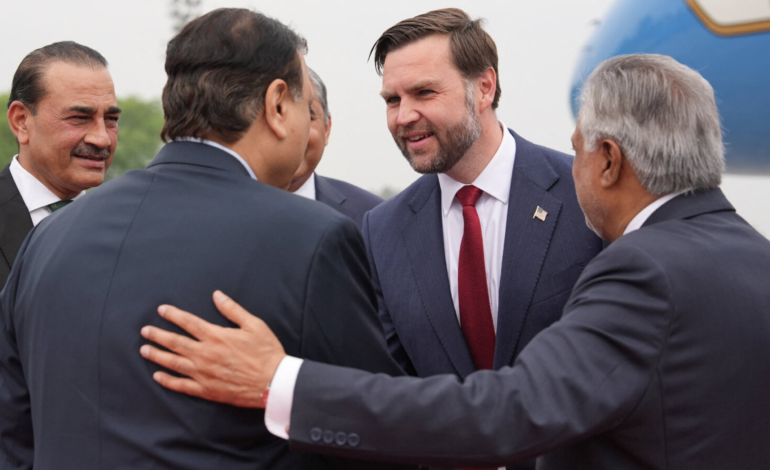
Pakistan as peace broker? a dangerous geopolitical paradox

At a moment when global diplomacy is under intense strain, the optics of Pakistan positioning itself as a facilitator of peace talks are both striking and deeply contentious. For many observers, the contradiction is difficult to ignore: a country long associated with allegations of harboring extremist networks now appearing as a venue for conflict resolution.
The irony becomes sharper when viewed through the lens of recent history. The United States, still shaped by the legacy of the September 11 attacks, is now engaging with Pakistan in efforts tied to de-escalation in the Middle East. Yet Pakistan’s past — including the discovery of Osama bin Laden in Abbottabad — continues to cast a long shadow over its credibility as a neutral mediator.
Supporters of this diplomatic arrangement argue that geopolitics often demands pragmatism. In a volatile environment where dialogue channels are limited, even imperfect intermediaries may serve a functional purpose. Pakistan’s geographic positioning and historical engagement with regional actors can make it a convenient platform for backchannel negotiations.
However, convenience does not equate to credibility. Critics contend that sustainable peace processes require consistent trust, something Pakistan has struggled to establish on the global stage. Decades of allegations involving cross-border militancy, alongside unresolved concerns over non-state actors, complicate its attempt to rebrand as a stabilizing force.
The shift in Washington’s posture adds another layer of complexity. Previous US administrations, including under President Donald Trump, openly criticized Pakistan for “lies and deceit” and questioned its counterterrorism commitments. The current willingness to engage Islamabad as a diplomatic conduit suggests either a strategic recalibration or a troubling inconsistency in policy.
For India, the implications are particularly sensitive. Having endured multiple terror attacks with alleged links to Pakistan-based groups, New Delhi views such developments with caution. The idea of Pakistan gaining legitimacy as a peace broker risks diluting longstanding concerns about accountability and security in the region.
Ultimately, this moment reflects a broader reality of modern geopolitics: principles are often tested against strategic necessity. While Pakistan’s role in facilitating dialogue may offer short-term diplomatic utility, it also raises fundamental questions about the standards applied in global conflict resolution.
Peace, to be durable, must rest on trust and accountability. Without addressing the deeper concerns surrounding its past conduct, Pakistan’s emergence as a broker of peace risks being seen not as progress, but as a paradox — one that could undermine the very stability such diplomacy seeks to achieve.