Trump links Hormuz crisis to oil opportunity as shipping cautiously resumes

With tensions still simmering in the Gulf region, U.S. President Donald Trump has stirred fresh debate by framing the ongoing Strait of Hormuz crisis as a potential economic opportunity, even as maritime traffic begins a cautious recovery.
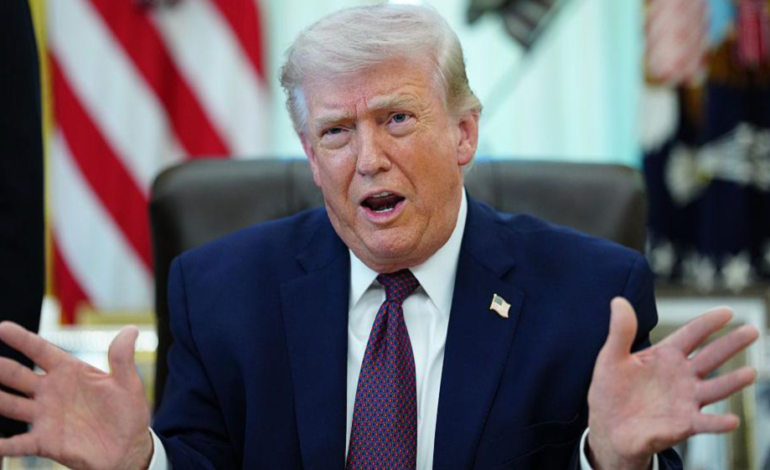
In a social media post, Trump suggested that reopening the vital waterway could unlock massive oil gains. “With a little more time, we can easily open the Hormuz Strait, take the oil, and make a fortune. It would be a ‘gusher’ for the world,” he wrote, signaling a blend of strategic and economic messaging amid geopolitical uncertainty.
His remarks come at a time when early indicators suggest a gradual return of shipping activity through the strait, one of the world’s most critical energy corridors. According to maritime intelligence firm Windward, 16 vessels transited the strait on April 1, marking the third consecutive day of movement after weeks of severe disruption.
Data trends show a slow but steady uptick in activity, with cargo traffic rising from 11 vessels to 16 within a day. However, these figures remain significantly below pre-conflict levels, highlighting continued caution among global shipping operators.
The disruption dates back to mid-March, when Iran imposed a mandatory navigation corridor overseen by the Islamic Revolutionary Guard Corps (IRGC). The move forced vessels to alter routes and operate under Iranian supervision, raising concerns over safety, compliance, and geopolitical risk.
Recent movements indicate that some operators are beginning to test these restrictions. Notably, three Omani-controlled vessels—including two oil tankers and one liquefied natural gas carrier—successfully transited using standard international routes, bypassing the Iranian-controlled corridor.
One LNG tanker, Sohar, reached waters off Muscat, becoming the first of its kind to pass through the strait since tensions escalated. Additionally, a container ship linked to French shipping giant CMA CGM completed transit, marking one of the earliest Western-linked movements in recent weeks.
Windward’s analysis also highlights the complexity of maritime operations in the region. As of April 2, around 656 vessels were present in the Arabian Gulf, with cargo ships making up 55 percent and tankers 45 percent. Traffic patterns remain uneven, with outbound movements significantly exceeding inbound flows.
Ownership transparency continues to be a challenge. Many vessels operate under “flags of convenience,” with Panama, Liberia, and the Marshall Islands dominating registrations. Analysts note that approximately 25 percent of ships have unclear ownership, complicating monitoring efforts.
As geopolitical tensions persist, the situation in the Strait of Hormuz underscores the delicate balance between strategic control, economic interests, and global energy security.