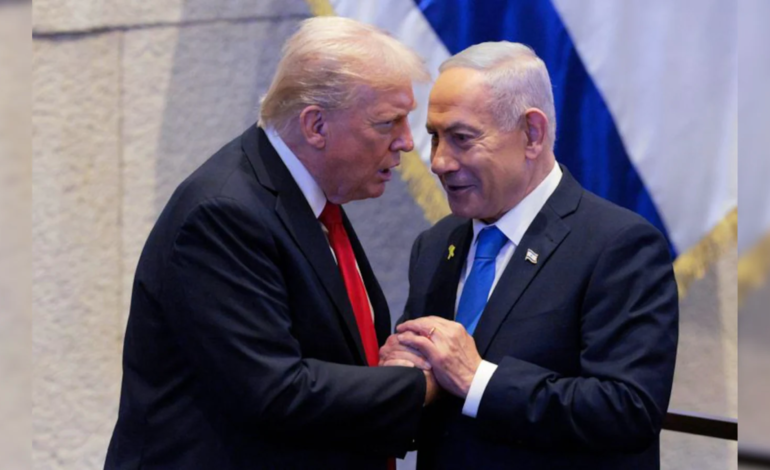
Trump says Netanyahu ‘knows who the boss is’ as White House meeting nears

U.S. President Donald Trump has indicated that Israeli Prime Minister Benjamin Netanyahu could visit the White House in the coming weeks, while emphasizing what he described as the strength of their relationship despite recent reports of disagreements over Middle East policy.
Speaking in a brief interview, Trump said he and Netanyahu “get along very good” and added that the Israeli leader “knows who the boss is,” referring to himself. The remark came amid speculation about a possible White House meeting as Washington and Jerusalem continue coordinating on regional security issues following months of heightened tensions involving Iran.
According to Israeli officials, the visit may not take place immediately because Trump is scheduled to attend the NATO summit in Turkey on July 7–8. Instead, discussions are underway for a meeting later in the month. Netanyahu’s office confirmed that the two leaders spoke by phone on Friday and agreed to meet in the United States “soon.”
The anticipated meeting comes after reports of differences between the two leaders regarding efforts to stabilize the region following the conflict involving Iran. While the United States remains Israel’s closest strategic ally, recent developments have prompted discussions over the pace and direction of diplomatic and security initiatives in the Middle East.
Despite those reports, both governments have continued close cooperation on defense, intelligence, and regional security matters. Analysts expect the upcoming meeting to focus on the evolving situation in the Middle East, Iran’s regional role, security coordination, hostage-related issues, and broader U.S.-Israel strategic priorities.
Trump and Netanyahu last met in Washington on February 11. Their next meeting is expected to provide an opportunity to reaffirm bilateral cooperation while addressing ongoing geopolitical challenges affecting the region. Observers will closely watch the discussions for signals on U.S. policy toward Israel, Iran, and broader efforts to promote stability in the Middle East.